All Features on Every Plan. No Lock-In.

Omnisend Alternatives

Explore alternatives to Omnisend based on how teams actually work.

Last updated: December 28, 2025

How to Read This List

Teams exploring options beyond Omnisend typically face decisions around pricing structure, automation depth, or how the tool fits their specific workflow (creator-focused vs ecommerce vs general email).

The platforms below are ordered by use case similarity. Each section describes how teams actually work with the tool day to day — not just feature lists.

#1 Klaviyo

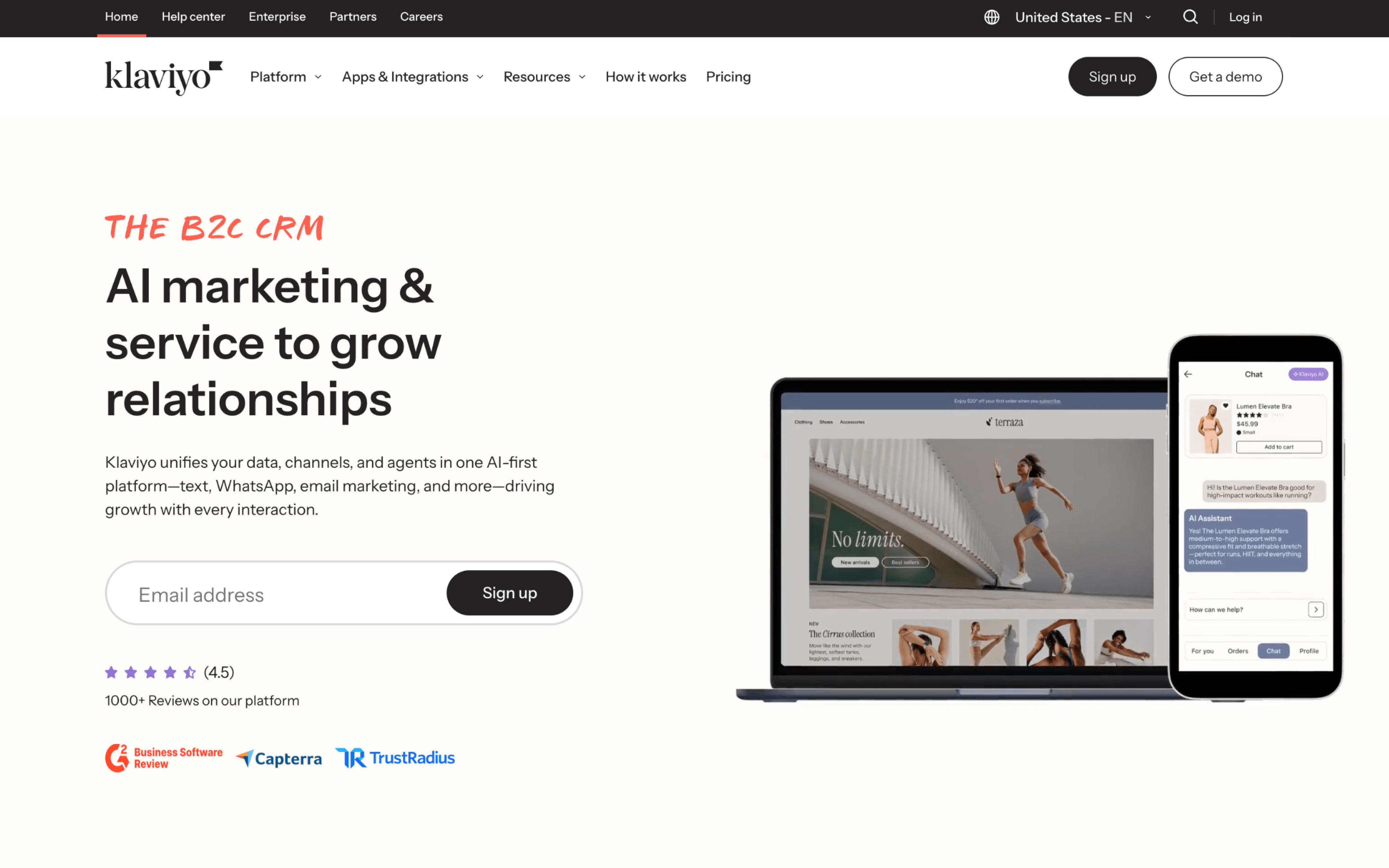
Klaviyo screenshot

Klaviyo is commonly used by B2C and ecommerce marketing teams that coordinate customer messaging around onsite behavior and purchase history. It tends to sit with lifecycle or retention owners who run both scheduled campaigns and automated journeys.

Teams typically sync store and website activity, then build segments based on events like product views, checkout starts, and orders. Day to day, marketers alternate between launching timed campaigns and maintaining always-on flows such as welcome, abandonment, and post-purchase, reviewing performance and adjusting targeting, timing, and content.

Good Fit For

  • Ecommerce teams running weekly promotional calendars alongside always-on lifecycle automations tied to browsing and purchase events
  • Marketers who need to coordinate cross-channel outreach by audience rules, sequencing, and timing from a single operating workflow
  • Teams that rely on frequent segmentation updates to target customers by recency, engagement, and product interest

Considerations

  • Getting reliable results depends on clean event tracking and consistent data syncing, which can require ongoing setup and troubleshooting
  • More granular segmentation and multi-step journeys can increase operational overhead as audiences, creative, and logic need regular maintenance
#2 Drip

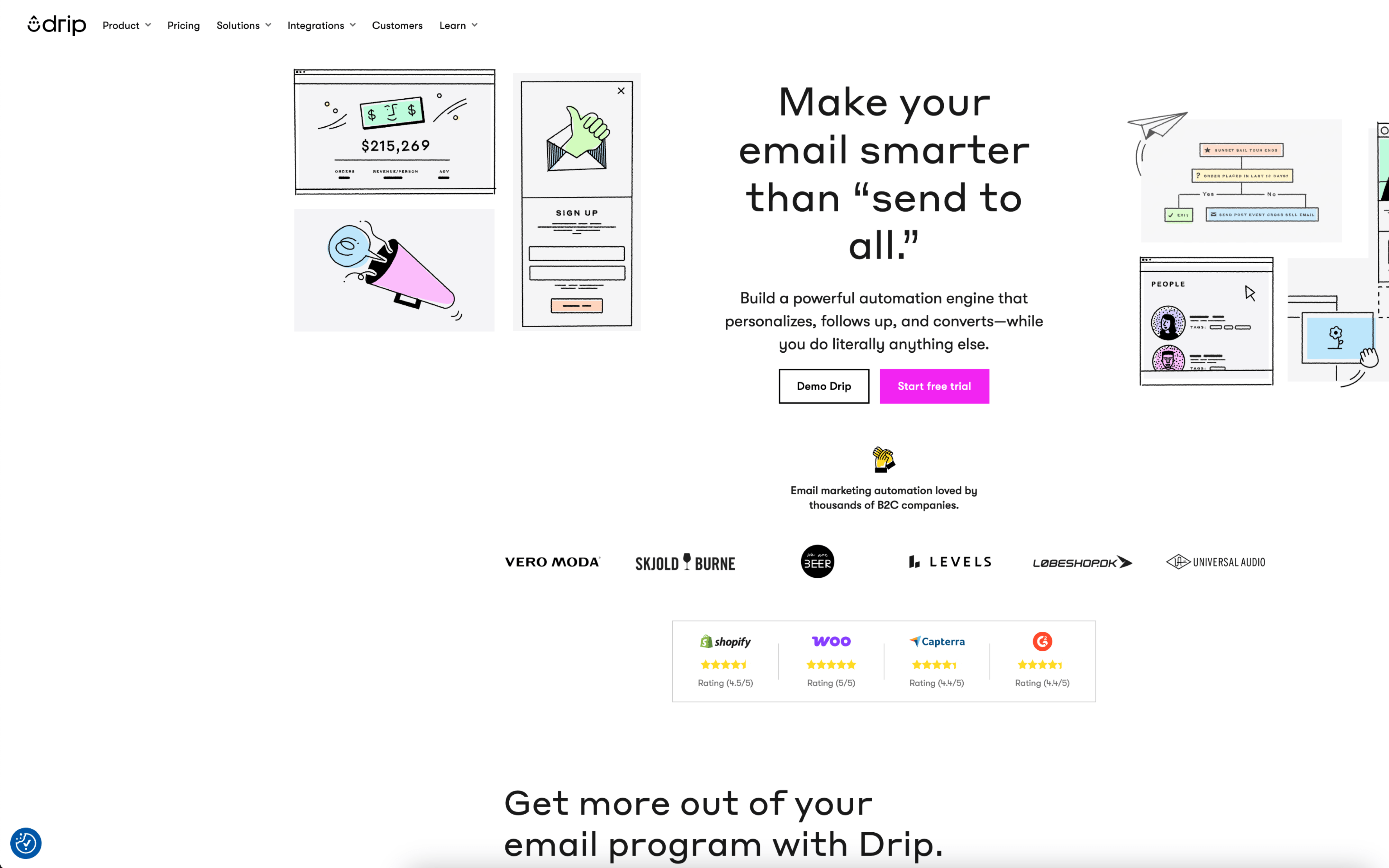
Drip screenshot

Drip is used by B2C teams that sell online and want lifecycle messaging tied to customer behavior and purchase activity. It commonly sits with ecommerce or creator-led marketing teams coordinating ongoing retention and conversion programs.

Teams connect their store and other tools, then organize subscribers into behavior-based segments that update as people browse, buy, and engage. Day to day, marketers adjust evergreen automation flows, schedule campaign sends, and review performance to refine timing, branching, and targeting.

Good Fit For

  • Brands running always-on flows like welcome, browse abandonment, and post-purchase follow-ups driven by site and order behavior
  • Teams that plan weekly or seasonal promotional campaigns and need targeting based on engagement, purchase history, and product interest
  • Marketing operations that rely on integrations to pull commerce and customer data into one place for coordinated messaging

Considerations

  • Getting reliable results depends on clean event and purchase data, so initial setup and ongoing data hygiene can be a recurring task
  • As segmentation and automation logic grows, teams may need tighter internal processes for QA and change management to avoid unintended audience overlap or message timing conflicts

#3 ActiveCampaign

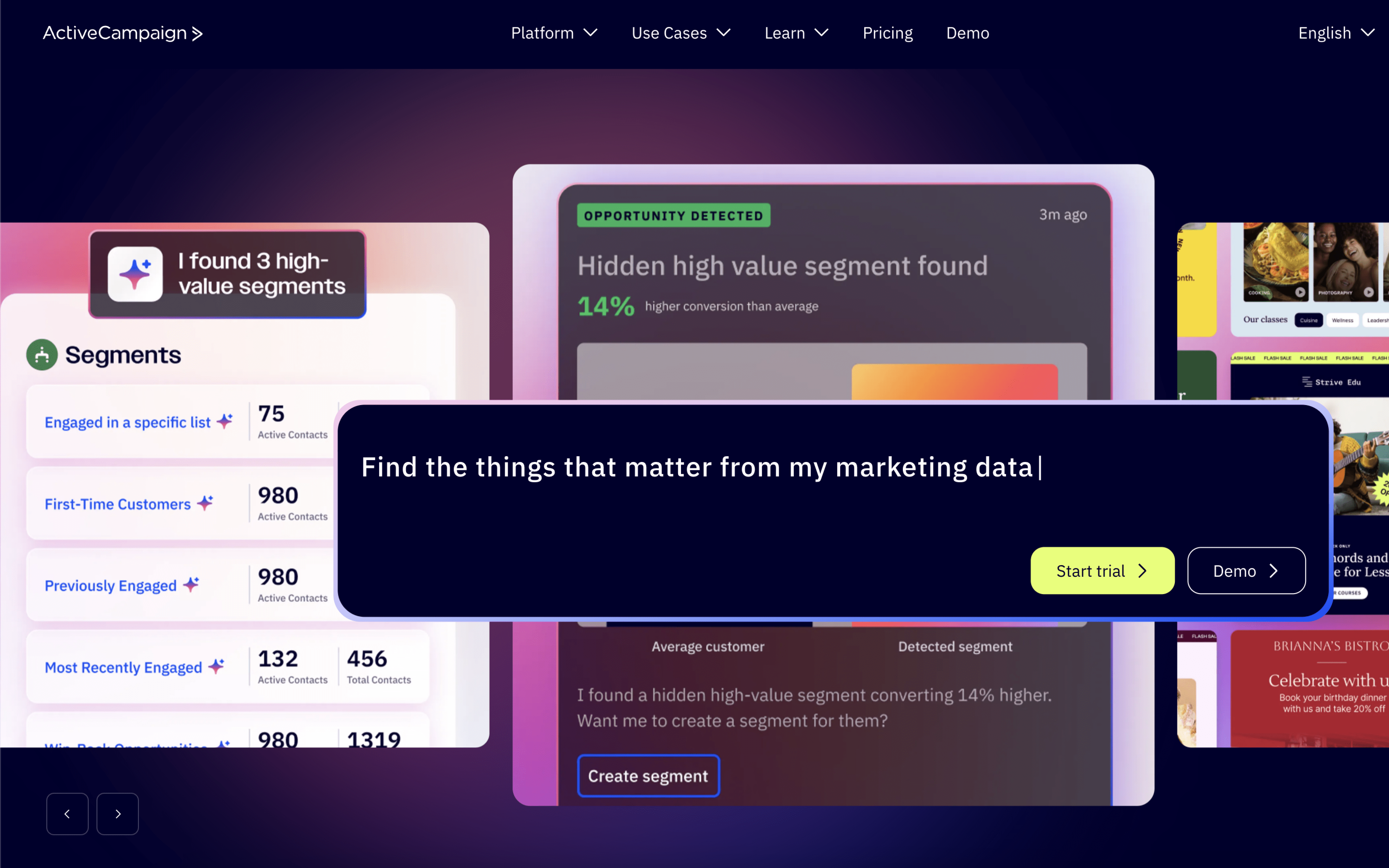
ActiveCampaign screenshot

ActiveCampaign is used by marketing and revenue teams that run ongoing lifecycle messaging and want automation tied to a shared contact record. It commonly fits teams coordinating email-led programs alongside lead management or lightweight sales follow-up.

Teams maintain a central contact database and organize audiences using tags, fields, and behavior signals. Day to day, marketers build automated journeys triggered by signups, site actions, or engagement, while sales teams update deals, tasks, and stages as leads progress.

Good Fit For

  • Teams running always-on onboarding, nurture, and re-engagement sequences that need to adjust based on opens, clicks, and web activity
  • Organizations coordinating marketing handoffs to a sales pipeline, where deal stages and follow-up tasks need to stay linked to campaign activity
  • Programs operating on a weekly cadence of launches and experiments, where segments, message paths, and timing are iterated based on performance

Considerations

  • Keeping automations, tags, and segments understandable over time can require ongoing governance, especially as multiple teams add triggers and exceptions
  • Because workflows often span marketing and sales activities, implementation tends to involve more setup decisions around data structure, routing rules, and ownership

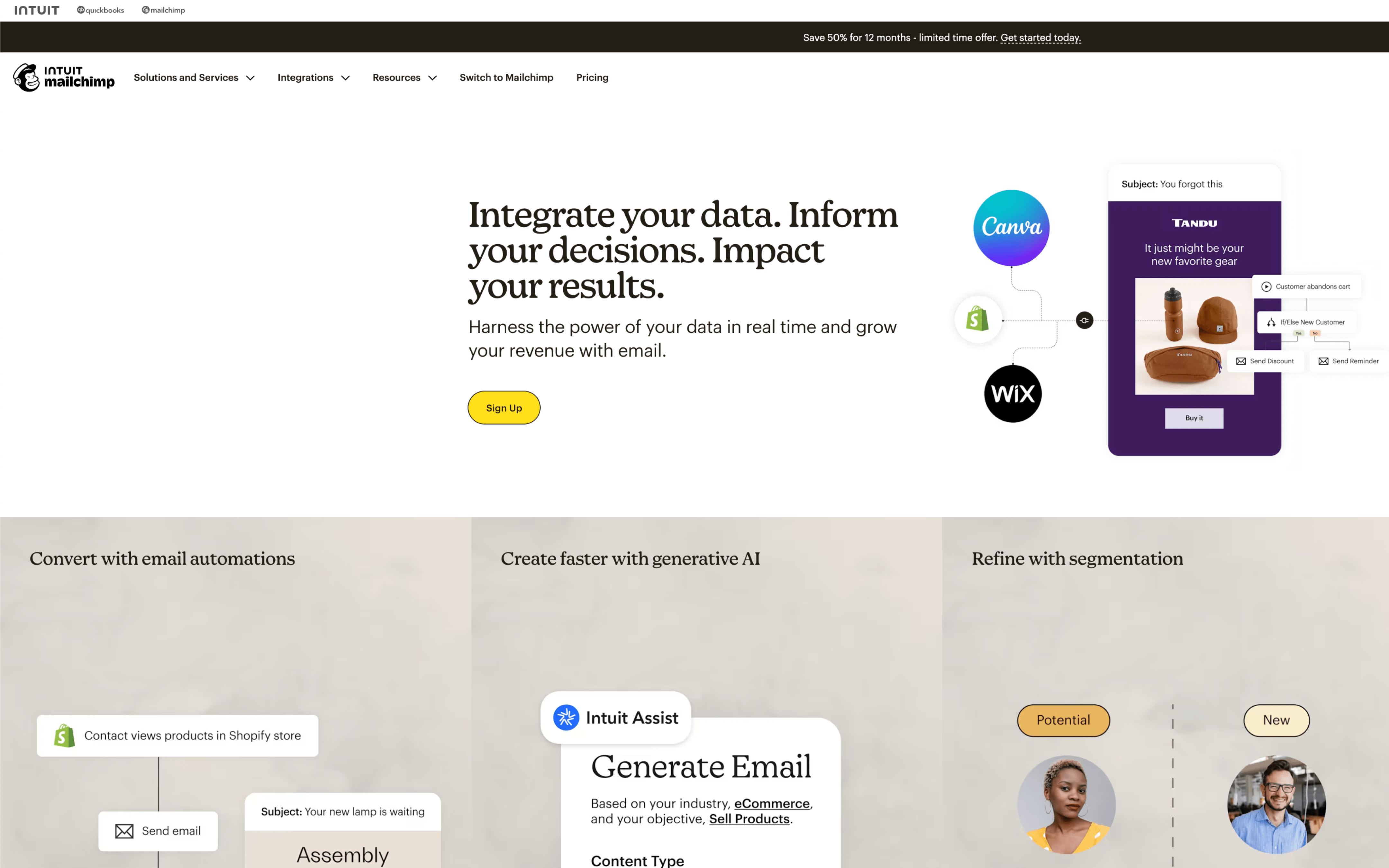
#4 Mailchimp

Mailchimp screenshot

Mailchimp is typically used by small-to-mid-sized marketing teams and owner-operators who need a centralized place to manage email outreach, audience data, and recurring campaigns. It often serves as the system of record for marketing contacts and engagement history.

Teams organize contacts into an audience, apply tags or segments, and build campaigns on a calendar-like cadence (weekly newsletters, promotions, announcements). Day to day, they draft emails, schedule sends, monitor reports, and adjust targeting, content, or automation triggers based on results.

Good Fit For

  • Teams running a steady newsletter rhythm with occasional promotional sends and basic segmentation by interest, signup source, or engagement
  • Organizations using signup forms to grow lists, then following up with a welcome series and simple drip sequences
  • Marketing teams coordinating multiple touchpoints around a launch or event, using a shared timeline to keep content, sends, and reporting aligned

Considerations

  • Keeping contact data clean can require ongoing operational attention to tags, segments, and audience structure as the list grows
  • Cross-channel coordination often depends on how well connected systems (store, website, CRM) feed consistent data into the audience for targeting and automation

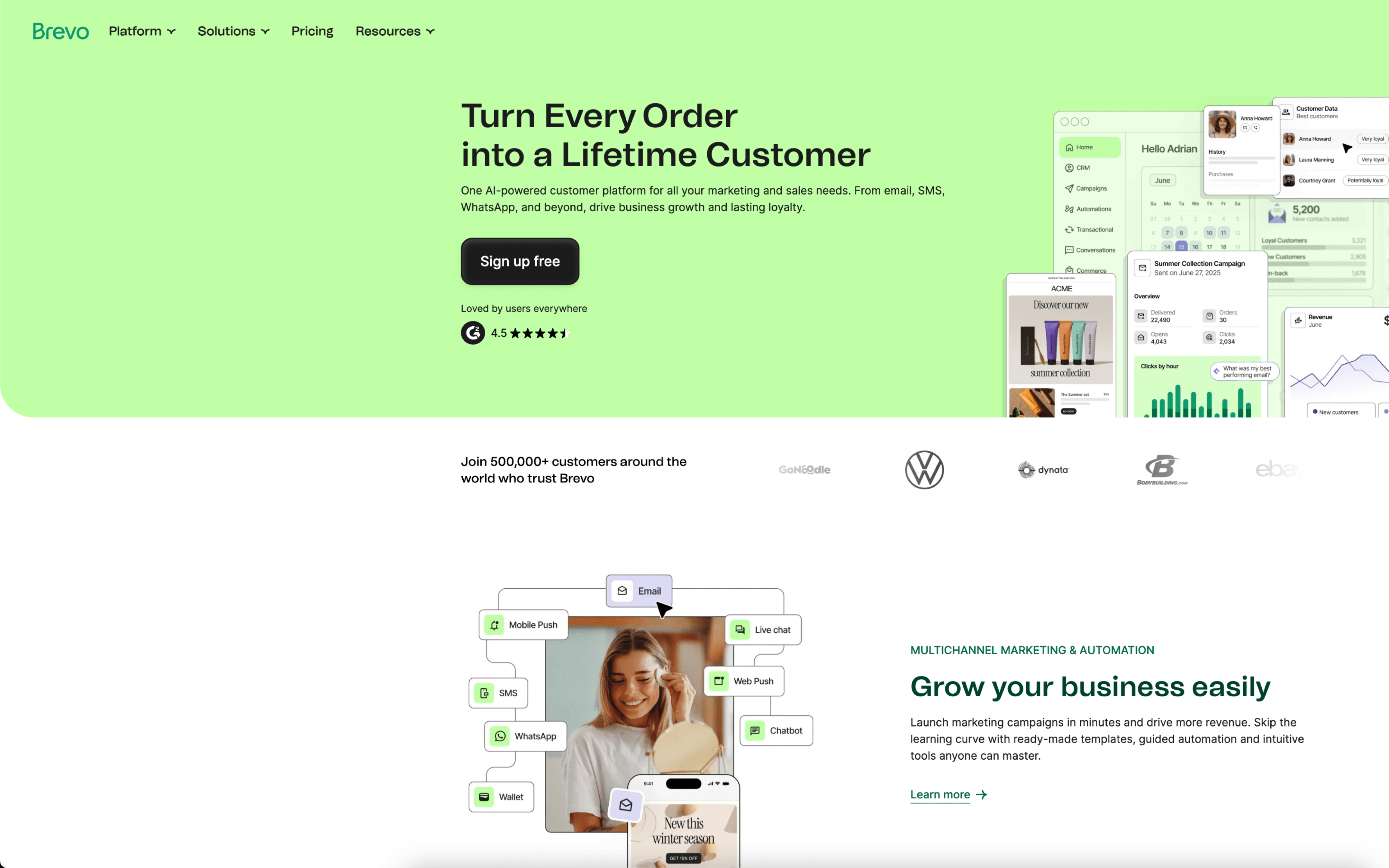
#5 Brevo

Brevo screenshot

Brevo is used by marketing and customer-facing teams that run lifecycle messaging across email and mobile channels while keeping lightweight contact and deal context in one place. It tends to fit teams that want marketing, conversations, and basic sales follow-up to share the same customer record.

Teams typically import contacts, connect a website or store, and then alternate between scheduled campaigns and always-on automations tied to behavior and events. Day to day, marketers build segments, draft messages, review deliverability and engagement, and coordinate handoffs when replies or leads require sales or support follow-up.

Good Fit For

  • Teams running weekly promotional sends alongside triggered flows like welcome, abandoned cart, and post-purchase follow-ups
  • Organizations coordinating outreach across email and SMS/WhatsApp with a shared contact history for context
  • Teams that need marketing automation plus a simple pipeline to track and follow up on inbound leads from forms and campaigns

Considerations

  • Combining marketing, conversations, and CRM-style work can require clearer ownership and processes to avoid duplicate outreach or inconsistent tagging
  • Event-based automation and segmentation often depend on data setup and integration quality, which can add ongoing maintenance work

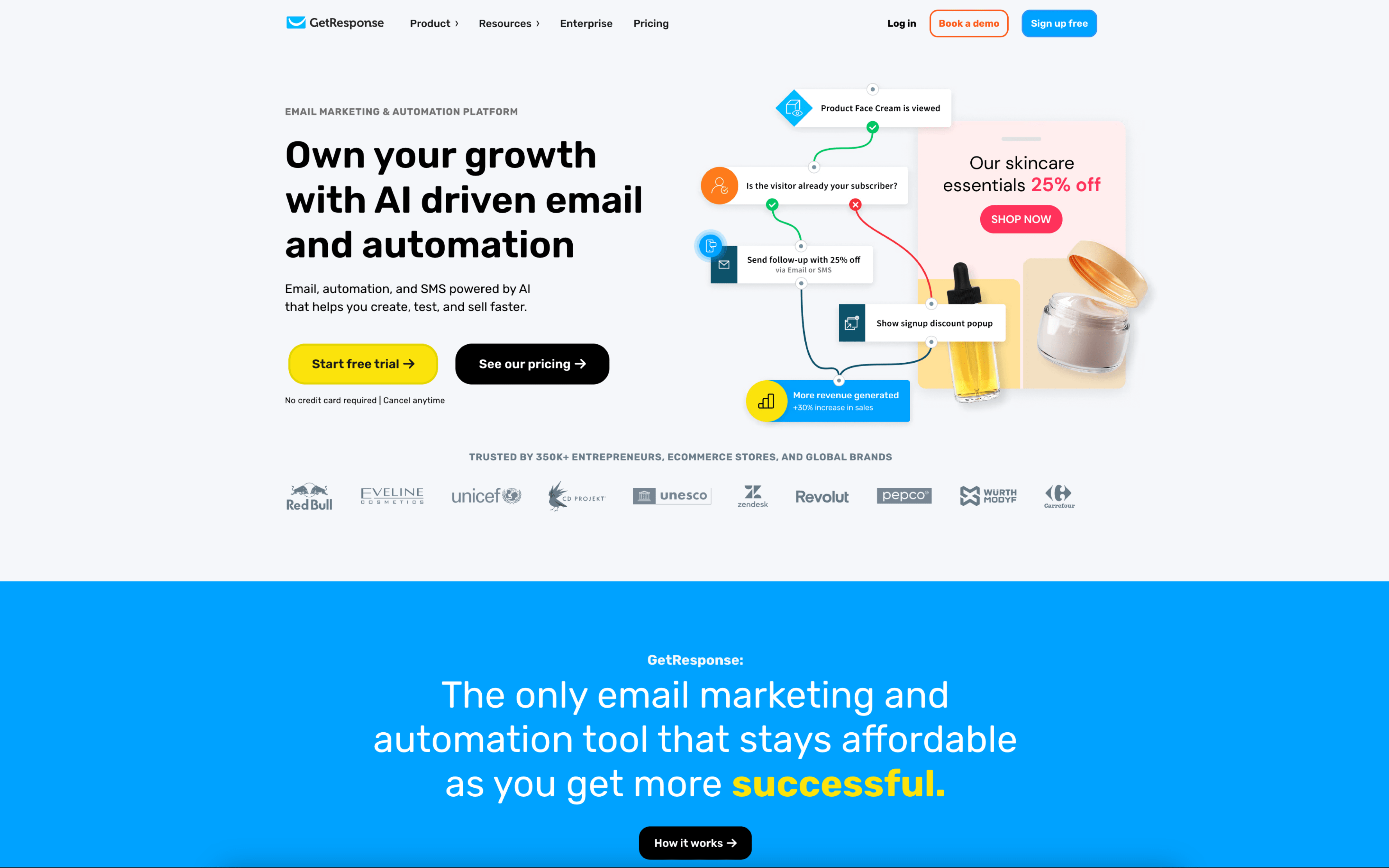
#6 GetResponse

GetResponse screenshot

GetResponse is typically used by marketing teams and agencies running email-led campaigns that combine list building, landing pages, and automation. It shows up in workflows where lead capture and ongoing nurturing need to be managed in one place.

Teams collect contacts through sign-up forms and landing pages, then segment audiences using fields, tags, and behavior. Campaign work alternates between scheduled broadcasts and always-on journeys that trigger messages from events like signups, clicks, or purchases, with routine reporting and iteration.

Good Fit For

  • Teams running weekly newsletters and promotions while maintaining separate automated welcome and re-engagement sequences
  • Lead-gen programs that depend on landing pages, registration capture, and follow-up nurturing over days or weeks
  • Agencies coordinating campaigns across multiple client accounts, with role-based access and approval before sending

Considerations

  • Keeping segments, tags, and automation logic consistent can become a recurring operational task as campaigns and audiences grow
  • Workflows that involve many stakeholders may require disciplined governance around permissions and send approvals to avoid bottlenecks

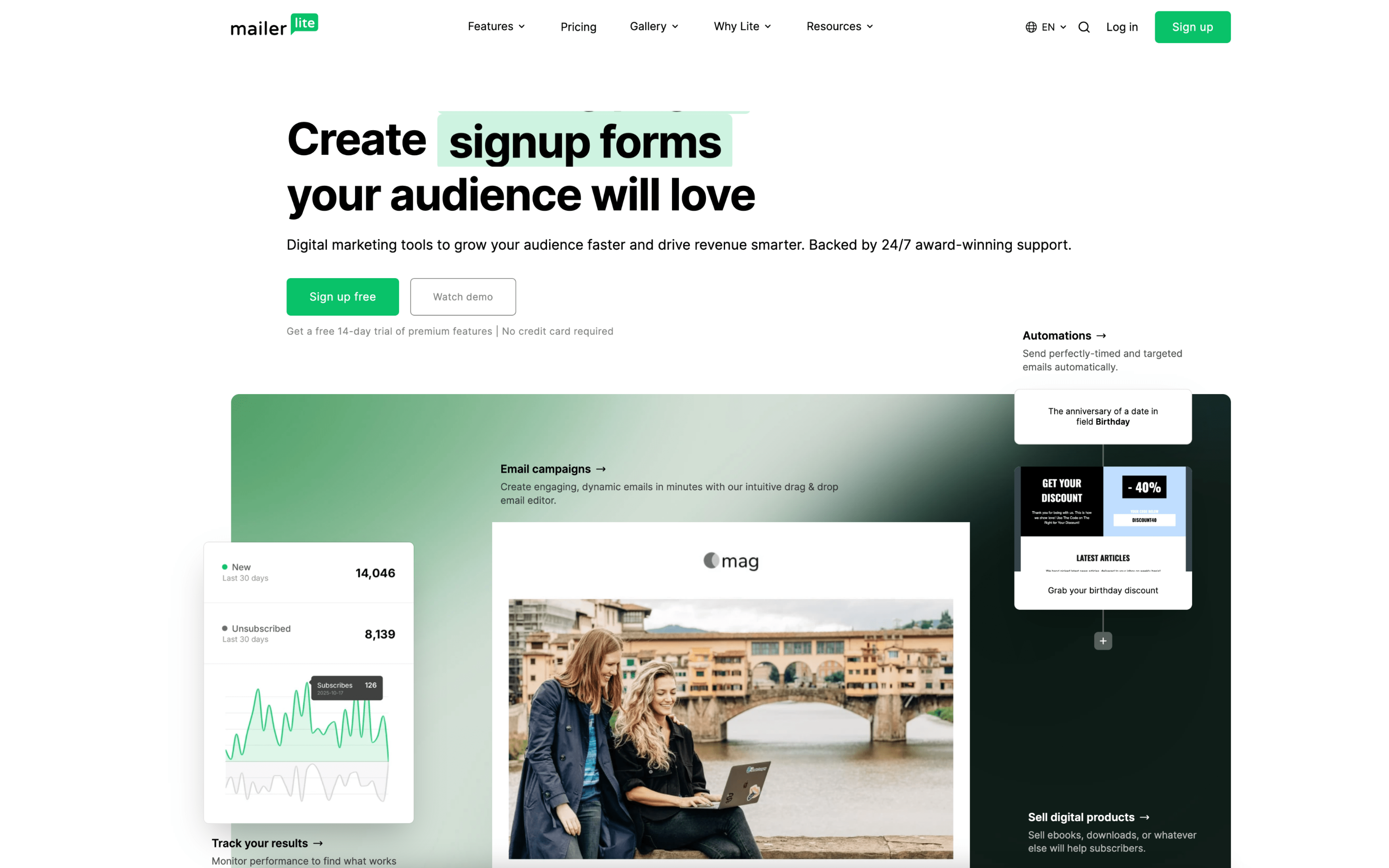
#7 MailerLite

MailerLite screenshot

MailerLite is typically used by small marketing teams, creators, and ecommerce operators who need to send newsletters and run basic-to-moderate lifecycle email programs without a dedicated marketing operations function.

Teams collect subscribers through embedded forms, pop-ups, and landing pages, then organize contacts into groups and segments. Day to day, they build newsletters, schedule sends, and monitor results, while automations handle welcome flows, lead delivery, and behavior-triggered follow-ups.

Good Fit For

  • Teams running a steady newsletter cadence (weekly or monthly) with occasional one-off announcements and simple audience segmentation
  • Sites capturing leads through forms or landing pages and delivering lead magnets or onboarding sequences immediately after signup
  • Ecommerce teams setting up triggered emails like abandoned cart reminders and post-purchase follow-ups based on store events

Considerations

  • As programs grow into many parallel journeys and complex governance, teams may need more process and naming discipline to keep groups, segments, and automations maintainable
  • Cross-channel coordination and advanced lifecycle orchestration may require additional tools or integrations beyond the core email workflow