All Features on Every Plan. No Lock-In.

Mailerlite Alternatives

Explore alternatives to Mailerlite based on how teams actually work.

Last updated: December 28, 2025

How to Read This List

Teams exploring options beyond Mailerlite typically face decisions around pricing structure, automation depth, or how the tool fits their specific workflow (creator-focused vs ecommerce vs general email).

The platforms below are ordered by use case similarity. Each section describes how teams actually work with the tool day to day — not just feature lists.

#1 Mailchimp

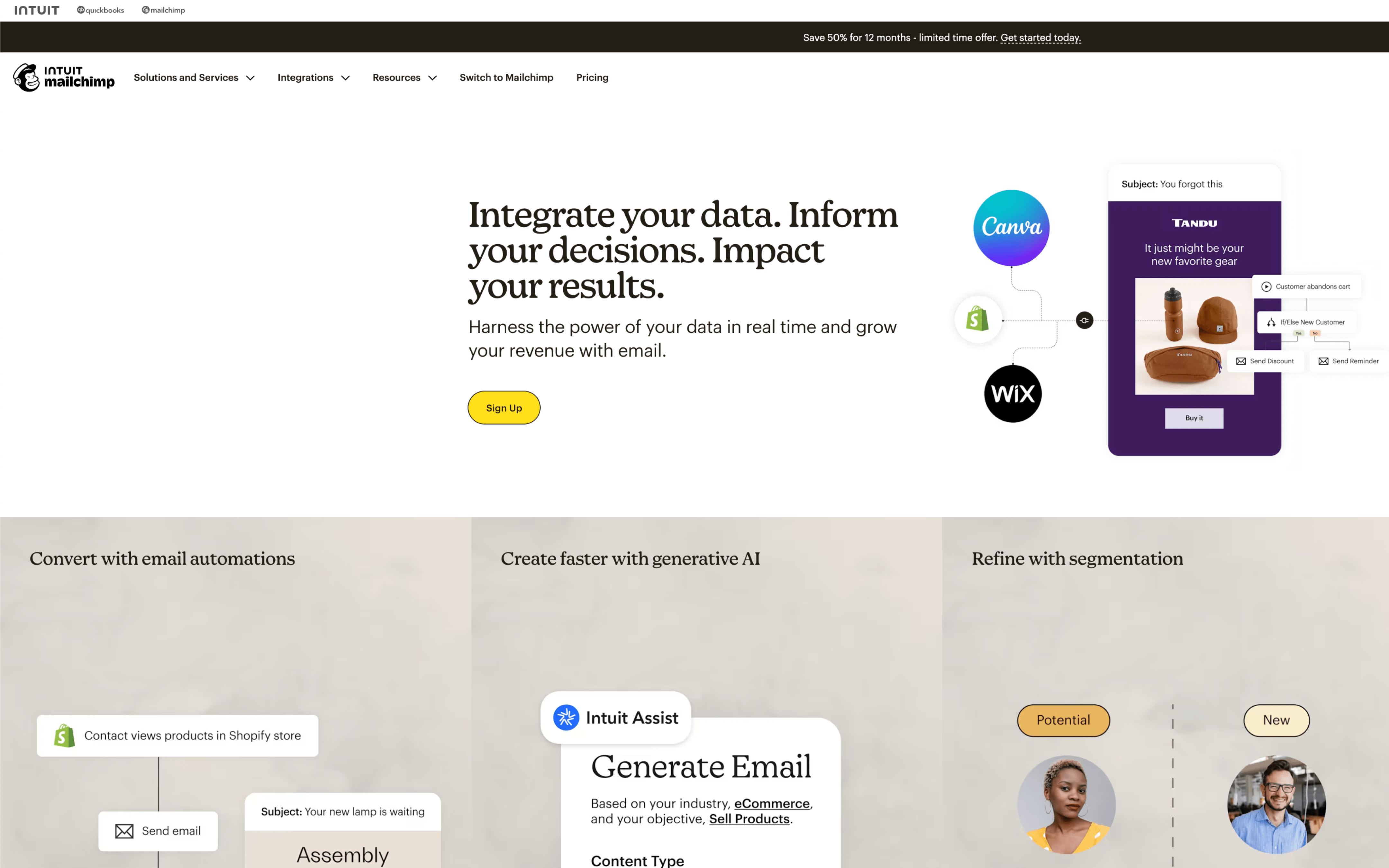
Mailchimp screenshot

Mailchimp is commonly used by small and mid-sized marketing teams that run email-led campaigns and want subscriber management, scheduling, and automation in one place. It is often owned by a marketing generalist who also coordinates basic reporting and list hygiene.

Teams typically build or reuse an email layout, select an audience segment, and schedule sends around a weekly or monthly campaign calendar. Alongside one-off campaigns, they set up automated customer journeys (for example welcome, abandoned cart, and re-engagement) and review engagement and revenue attribution to adjust targeting and timing.

Good Fit For

  • Teams shipping a recurring newsletter cadence and occasional announcements, with lightweight collaboration around drafts, test sends, and approvals
  • Ecommerce or DTC teams running always-on flows like welcome series and abandoned cart, with segmentation driven by purchase and engagement data
  • Marketing teams coordinating multiple touchpoints on a shared calendar and using performance reports to iterate week over week

Considerations

  • As audiences, segments, and automations grow, ongoing maintenance (tags, list structure, and data syncing) can become a regular operational task
  • Multichannel coordination and automation design can push teams toward more process and governance than a simple “send a newsletter” workflow
#2 Brevo

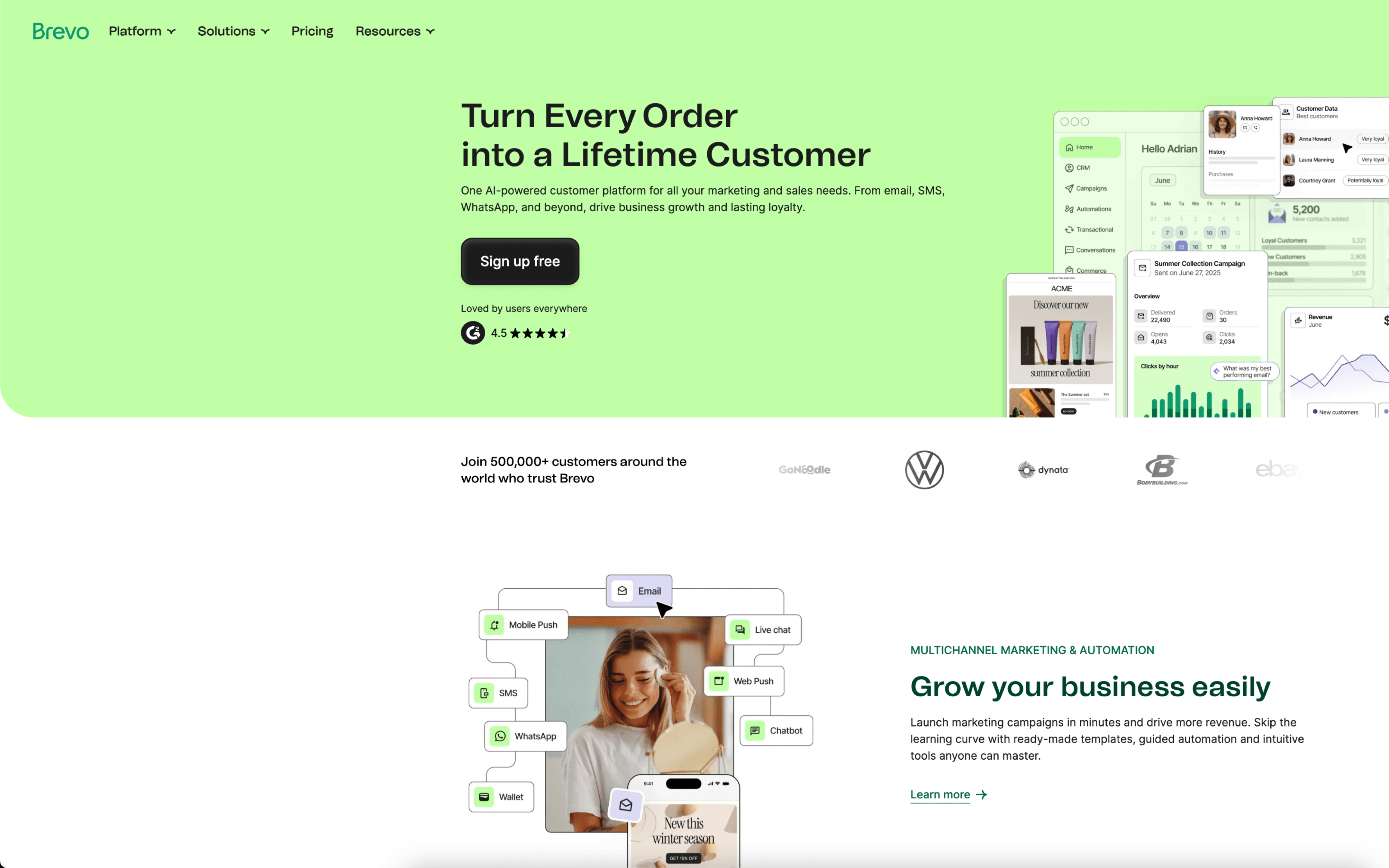
Brevo screenshot

Brevo is typically used by teams that run email and SMS outreach alongside customer data management, often combining marketing sends with transactional messaging needs. It tends to fit organizations that want campaigns and contact activity tracked in one place.

Teams import and maintain a shared contact database, segment audiences, and coordinate sends on a recurring cadence (newsletters, promotions, lifecycle messages). Work often cycles between building messages, triggering automations from user events, monitoring deliverability, and reviewing engagement reports to adjust targeting.

Good Fit For

  • Teams running weekly or monthly email campaigns that also need SMS for time-sensitive reminders or promotions
  • Product or ecommerce teams coordinating transactional emails (sign-up, receipts, password resets) alongside marketing journeys
  • Marketing and sales operations that want contact activity, basic deal tracking, and campaign follow-up managed in a shared workflow

Considerations

  • Keeping segments and attributes clean requires ongoing list hygiene and agreed data definitions across teams
  • Blending transactional, automation, and campaign work can add coordination overhead when multiple stakeholders edit templates, audiences, and sending rules

#3 ConvertKit

ConvertKit screenshot

ConvertKit is commonly used by creators and small marketing teams who run email newsletters and sell digital products or courses. It tends to fit teams that want subscriber management and automation to sit close to their content publishing workflow.

Teams typically collect subscribers through forms and landing pages, then organize people with tags and segments as interests change. Day to day work alternates between scheduled broadcasts and always-on sequences that trigger when someone opts in, clicks, or buys.

Good Fit For

  • Creators sending weekly newsletters and running evergreen welcome or onboarding sequences for new subscribers
  • Teams promoting launches a few times per quarter and needing behavior-based tagging to route people into follow-up paths
  • Operators connecting email to a website or course platform to tag subscribers based on purchases and lessons accessed

Considerations

  • Teams may need time to settle on a consistent tagging and automation structure, especially as multiple offers and opt-in sources accumulate
  • Some workflows require careful setup to avoid duplicate or conflicting paths when subscribers move between sequences and segments

#4 Campaign Monitor

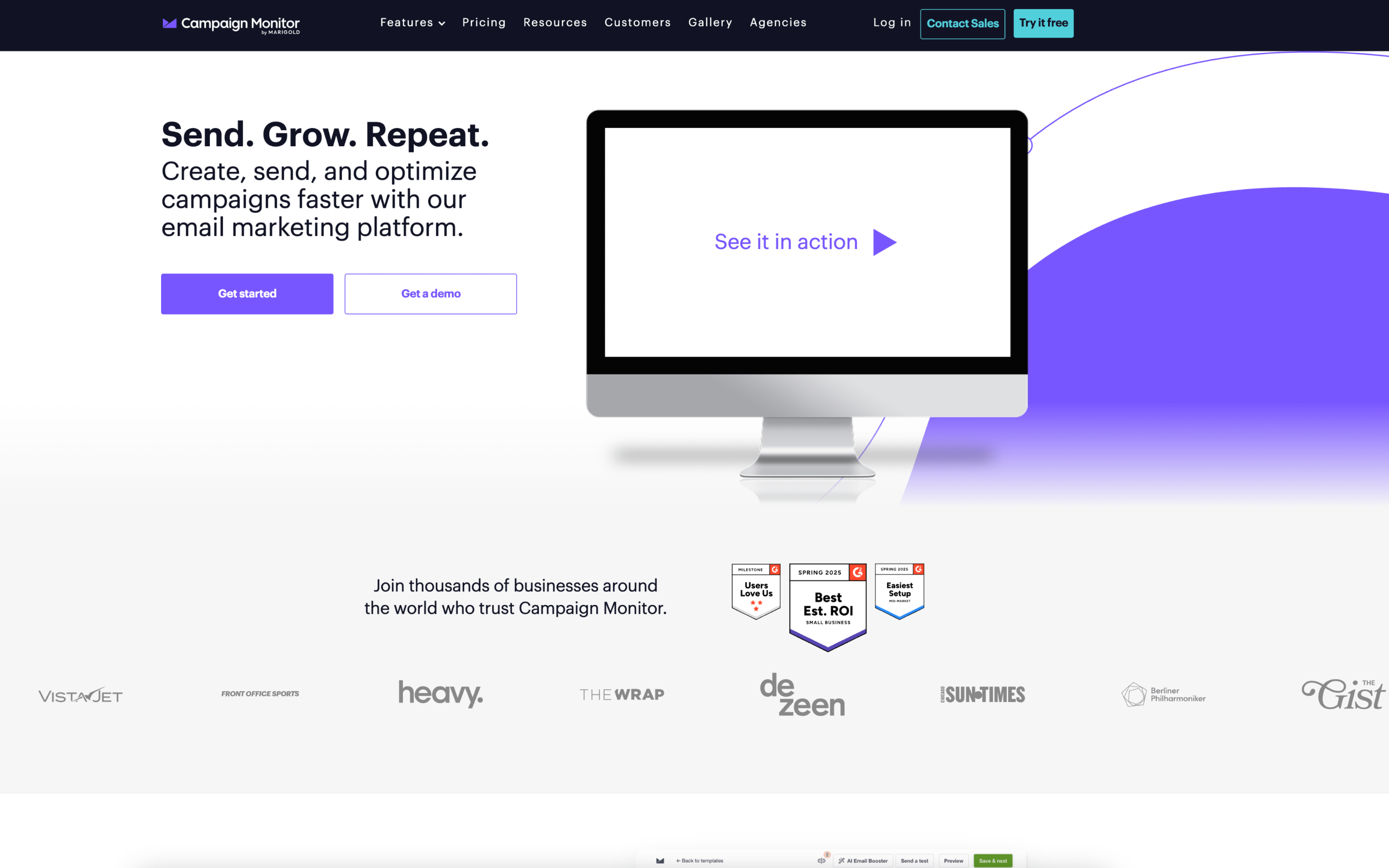
Campaign Monitor screenshot

Campaign Monitor is typically used by marketing teams and agencies that run recurring email campaigns and lifecycle messages and need a structured way to build, schedule, and report on sends across multiple audiences or clients.

Teams import and maintain subscriber lists with custom fields, then build emails from templates and reuse approved layouts across campaigns. Day to day work revolves around drafting, reviewing, scheduling by time zone, segmenting by engagement, and monitoring real-time opens and clicks to adjust future sends.

Good Fit For

  • Teams running weekly or monthly newsletter and promotion cycles where campaigns are planned, tagged, and revisited for reporting
  • Organizations that coordinate branded email creation with role-based access, template permissions, and controlled edits across stakeholders
  • Agencies managing multiple client workspaces that need separate sub-accounts, shared templates, and a centralized view of account activity

Considerations

  • Work tends to be centered on email execution and reporting, so teams coordinating broader cross-channel campaign work may rely on separate planning tools
  • Automation and segmentation depend on clean subscriber data and consistent tagging, which can add operational overhead as lists, fields, and journeys expand

#5 ActiveCampaign

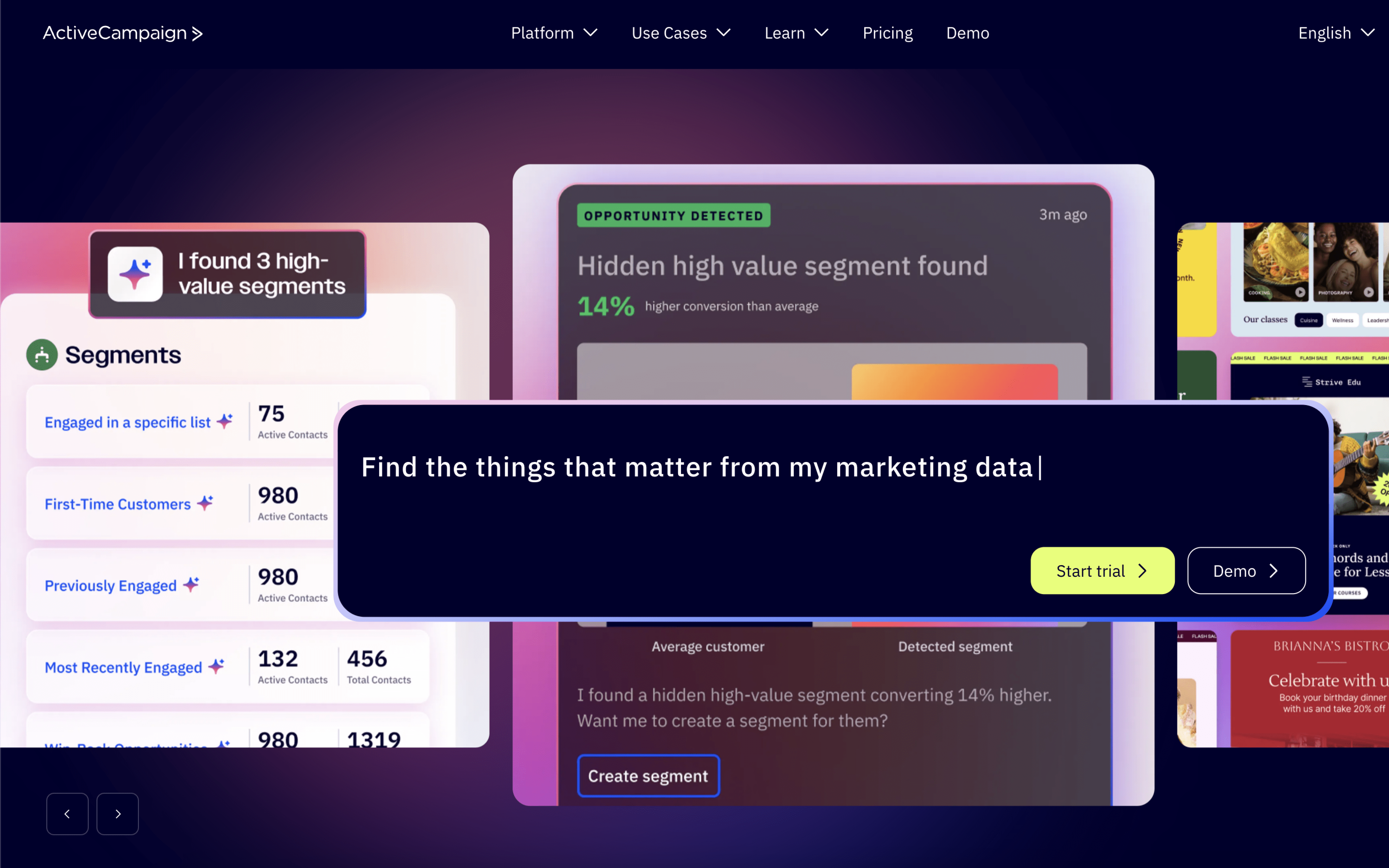
ActiveCampaign screenshot

ActiveCampaign is typically used by marketing and sales teams that want email campaigns, automated follow-up, and contact management to run from the same system. It often shows up in organizations where lead nurturing and deal progression need to stay connected.

Teams organize contacts with fields, tags, and behavioral data, then run ongoing automations that react to actions like opens, link clicks, site visits, or form fills. Day to day, marketers adjust segments and sequences while sales teams work deals in a pipeline, with tasks and stage moves driven by shared activity history.

Good Fit For

  • Teams running always-on lead nurture programs where contacts move through different messaging based on engagement and website behavior
  • Sales and marketing groups that need a shared view of contact activity while coordinating handoffs through a deal pipeline
  • Organizations managing multiple recurring campaign types (launches, events, onboarding) and wanting reusable automation flows with branching paths

Considerations

  • Setup and maintenance can become an ongoing operational task as automations, segments, and custom fields grow over time
  • Keeping data consistent across sources often requires disciplined tagging/naming conventions and regular cleanup to avoid confusing reporting and routing

#6 GetResponse

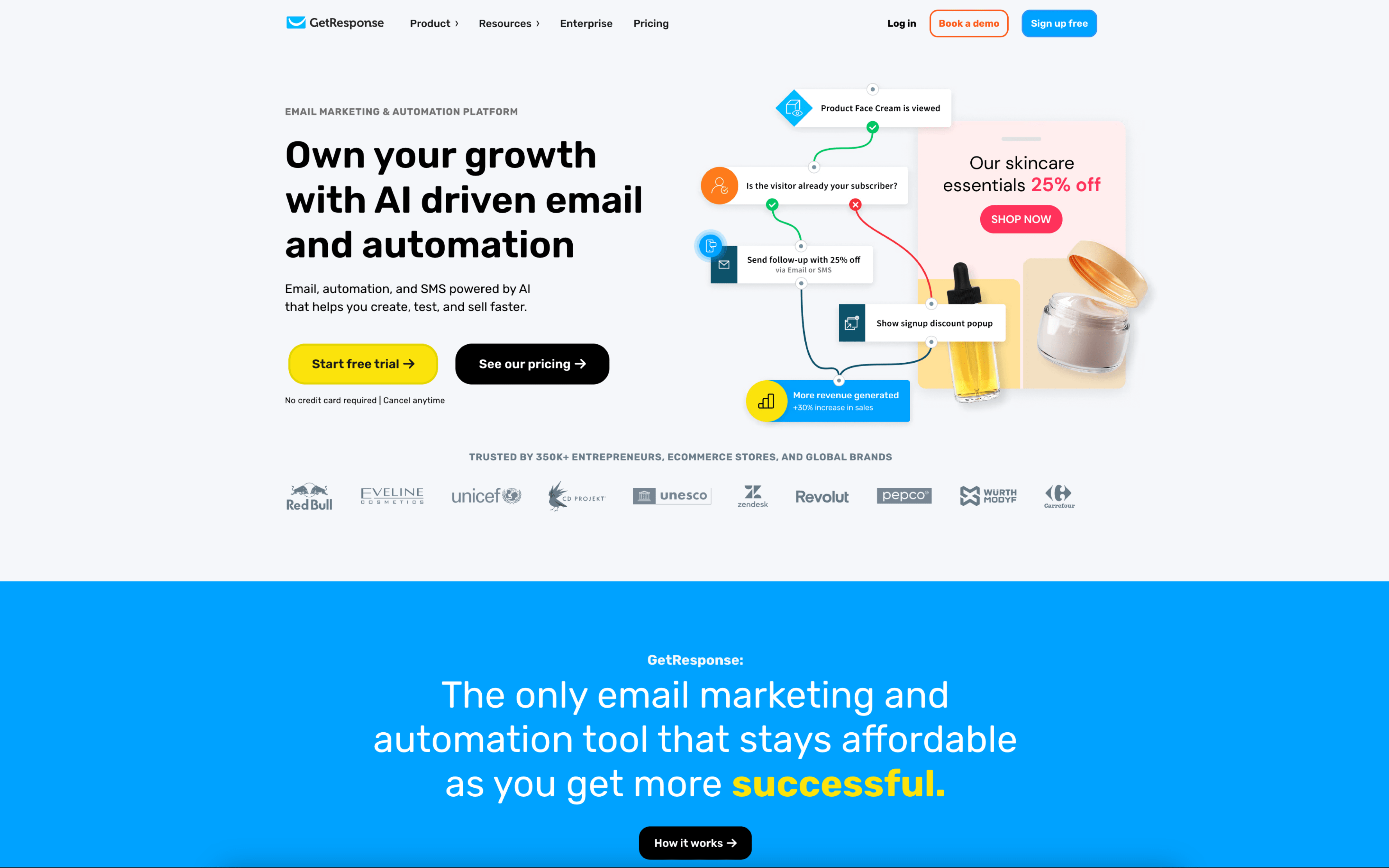
GetResponse screenshot

GetResponse is used by marketing teams that run recurring email campaigns alongside lead capture and nurture programs. It is often adopted by teams that want one place to coordinate contacts, messaging sequences, and conversion-focused assets.

Teams typically build contact lists through forms and landing pages, then organize audiences with tags, custom fields, and behavior-based segments. Day to day, they alternate between scheduled newsletter sends and always-on automation workflows, reviewing engagement reports and adjusting journeys.

Good Fit For

  • Teams running weekly newsletters plus automated welcome and re-engagement sequences tied to contact activity
  • Organizations capturing leads via landing pages and registrations, then nurturing them through staged funnel messaging
  • Marketing groups coordinating webinars or event-style campaigns and following up with segmented email sequences

Considerations

  • Combining campaigns, automation, landing pages, and webinars in one workspace can add setup overhead and require clearer internal ownership
  • Workflow complexity grows as tagging, scoring, and multiple segments accumulate, which can increase maintenance and QA effort over time

#7 Moosend

Moosend screenshot

Moosend is typically used by marketing teams that run recurring email campaigns and lifecycle automations from a single workspace. It is often adopted where email, list management, and simple conversion assets like forms or landing pages are owned by the same team.

Teams import or sync contacts, organize audiences with tags and custom fields, then build newsletters and automated workflows tied to signups and user behavior. Work tends to follow a weekly campaign rhythm plus always-on automations, with performance checked in reporting to adjust segments, content, and timing.

Good Fit For

  • Teams sending weekly promotions and monthly newsletters that need repeatable templates and basic approval routines
  • Ecommerce operations running abandoned cart, browse, and post-purchase flows triggered by site activity and customer attributes
  • Marketing teams capturing leads through embedded forms or standalone landing pages and routing contacts into nurture sequences

Considerations

  • As automations grow, keeping naming, tagging, and workflow logic consistent can become an ongoing governance task
  • Teams with heavy cross-channel planning may still need separate tools for coordinating calendars, creative feedback, and non-email execution