All Features on Every Plan. No Lock-In.

Constant Contact Alternatives

Explore alternatives to Constant Contact based on how teams actually work.

Last updated: December 28, 2025

How to Read This List

Teams exploring options beyond Constant Contact typically face decisions around pricing structure, automation depth, or how the tool fits their specific workflow (creator-focused vs ecommerce vs general email).

The platforms below are ordered by use case similarity. Each section describes how teams actually work with the tool day to day — not just feature lists.

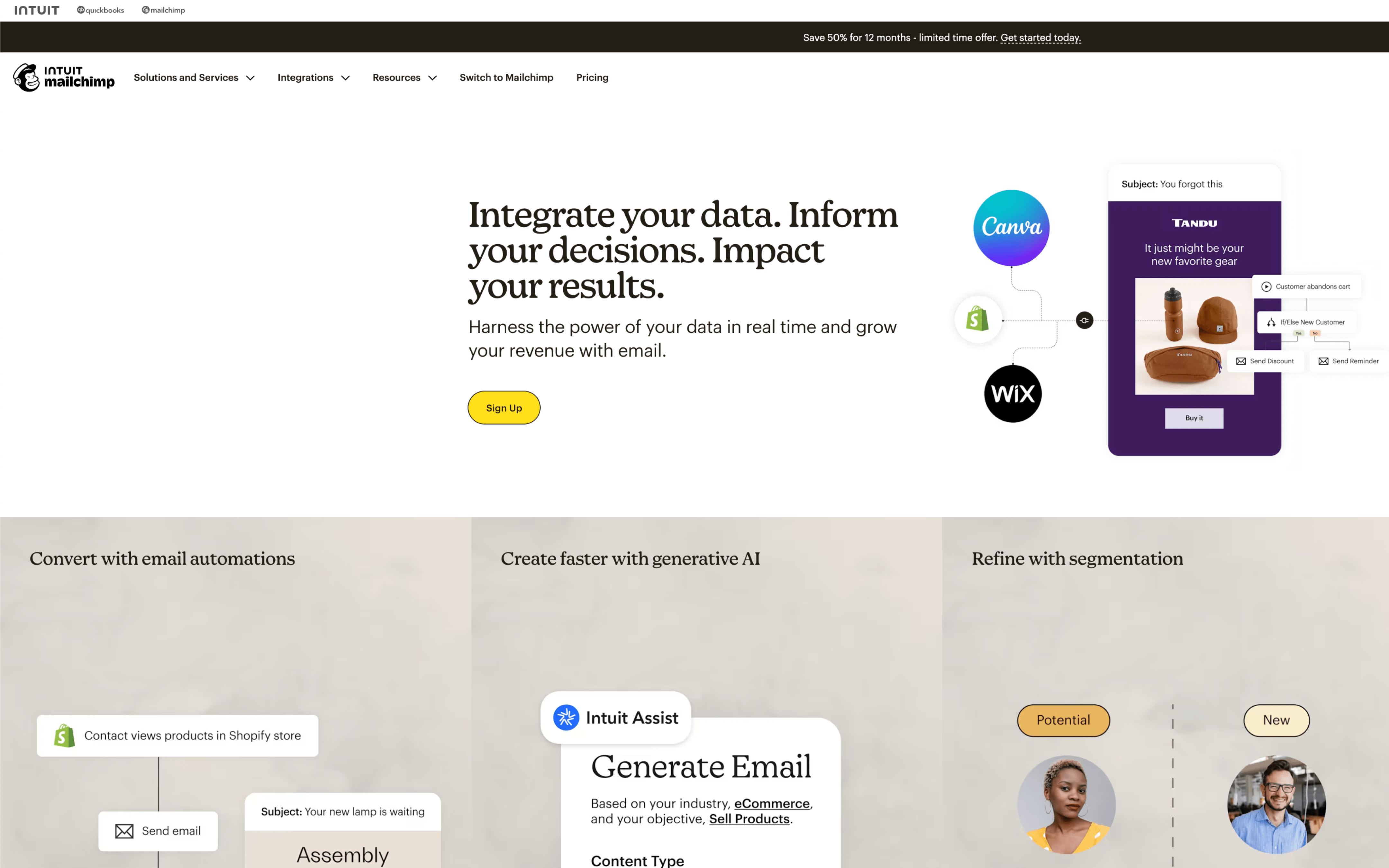
#1 Mailchimp

Mailchimp screenshot

Mailchimp is commonly used by marketing teams and owner-operators who run recurring email and multi-channel campaigns from a single workspace. It often sits with the marketing function, with inputs from ecommerce, sales, or customer support on audiences and messaging.

Teams typically import or sync contacts, organize them into audiences, and build segments for specific messages. Work runs in cycles: draft and schedule newsletters or promotions, trigger automated journeys for events like signups or cart abandonment, then review reporting to adjust targeting and timing.

Good Fit For

  • Teams sending weekly or monthly newsletters that need consistent templates, scheduling, and basic performance review after each send
  • Ecommerce teams running lifecycle messaging such as welcome series, post-purchase follow-ups, and abandoned checkout reminders tied to store activity
  • Marketing teams coordinating a campaign calendar across email and related touchpoints, with a repeatable process for launch and post-campaign analysis

Considerations

  • Keeping audience data tidy can require ongoing hygiene work, especially when contacts enter from multiple sources or are organized into separate audiences
  • As automations and segmentation become more elaborate, setup and troubleshooting can take more time and cross-team coordination than simpler send-and-report workflows
#2 Campaign Monitor

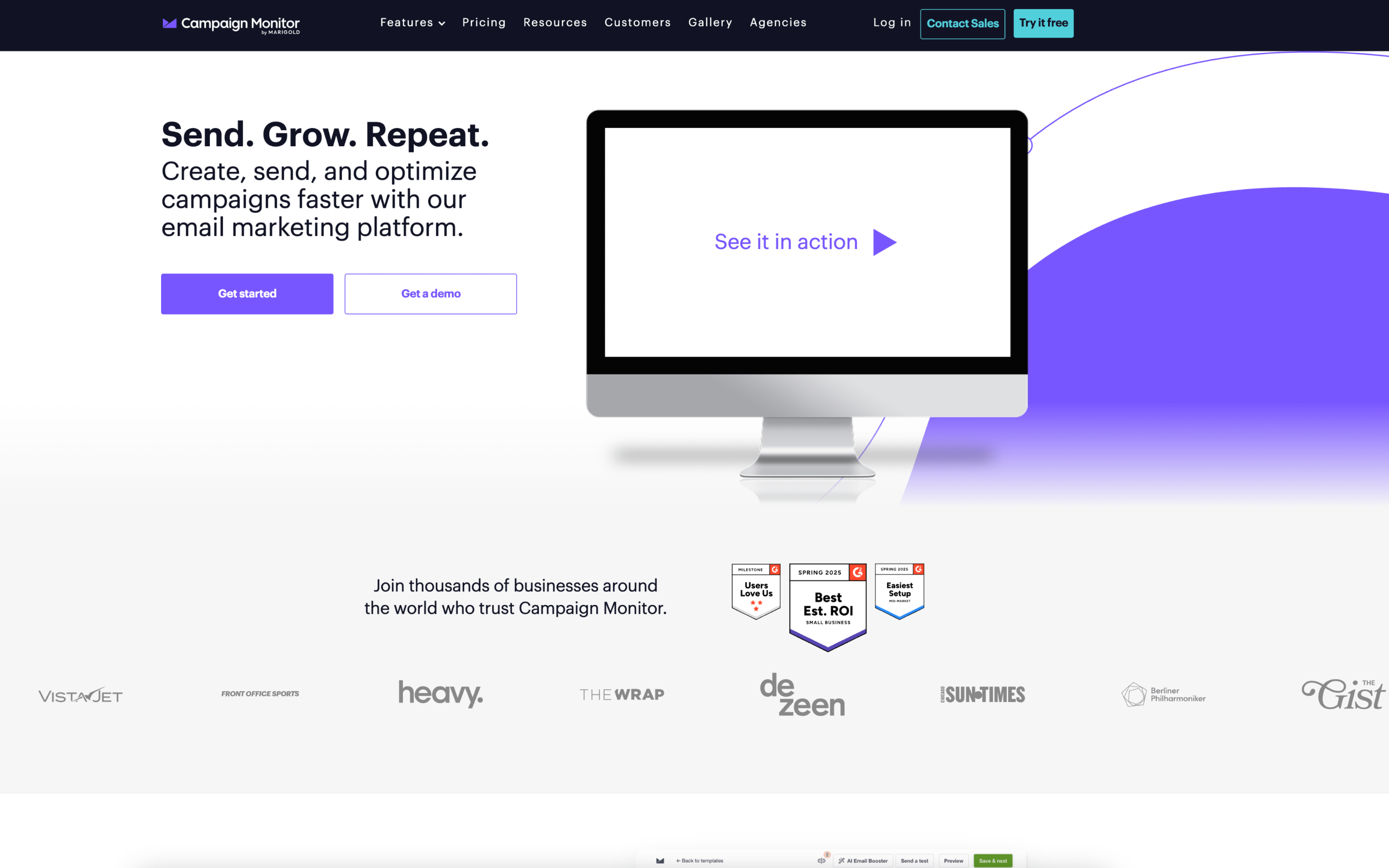
Campaign Monitor screenshot

Campaign Monitor is typically used by marketing teams and agencies that run recurring email campaigns and simple customer journeys, with an emphasis on consistent templates and controlled publishing. It often supports teams managing multiple brands or client accounts with role-based access.

Teams import and maintain subscriber lists, group audiences into segments using engagement and custom fields, and build emails from shared templates. Work tends to follow a campaign cadence: draft, review, schedule by time zone, send, then monitor opens and clicks to adjust future sends and automations.

Good Fit For

  • Marketing teams sending weekly or monthly newsletters that rely on reusable templates and brand controls
  • Agencies managing multiple client accounts, with separate permissions and shared templates across sub-accounts
  • Teams running triggered lifecycle messages like welcome series, RSS-to-email updates, or basic re-engagement sequences

Considerations

  • Teams with highly bespoke customer journeys may outgrow the simplicity of prebuilt or straightforward automations
  • Keeping segmentation and reporting accurate can depend on consistent list hygiene and reliable data syncing from external systems

#3 Aweber

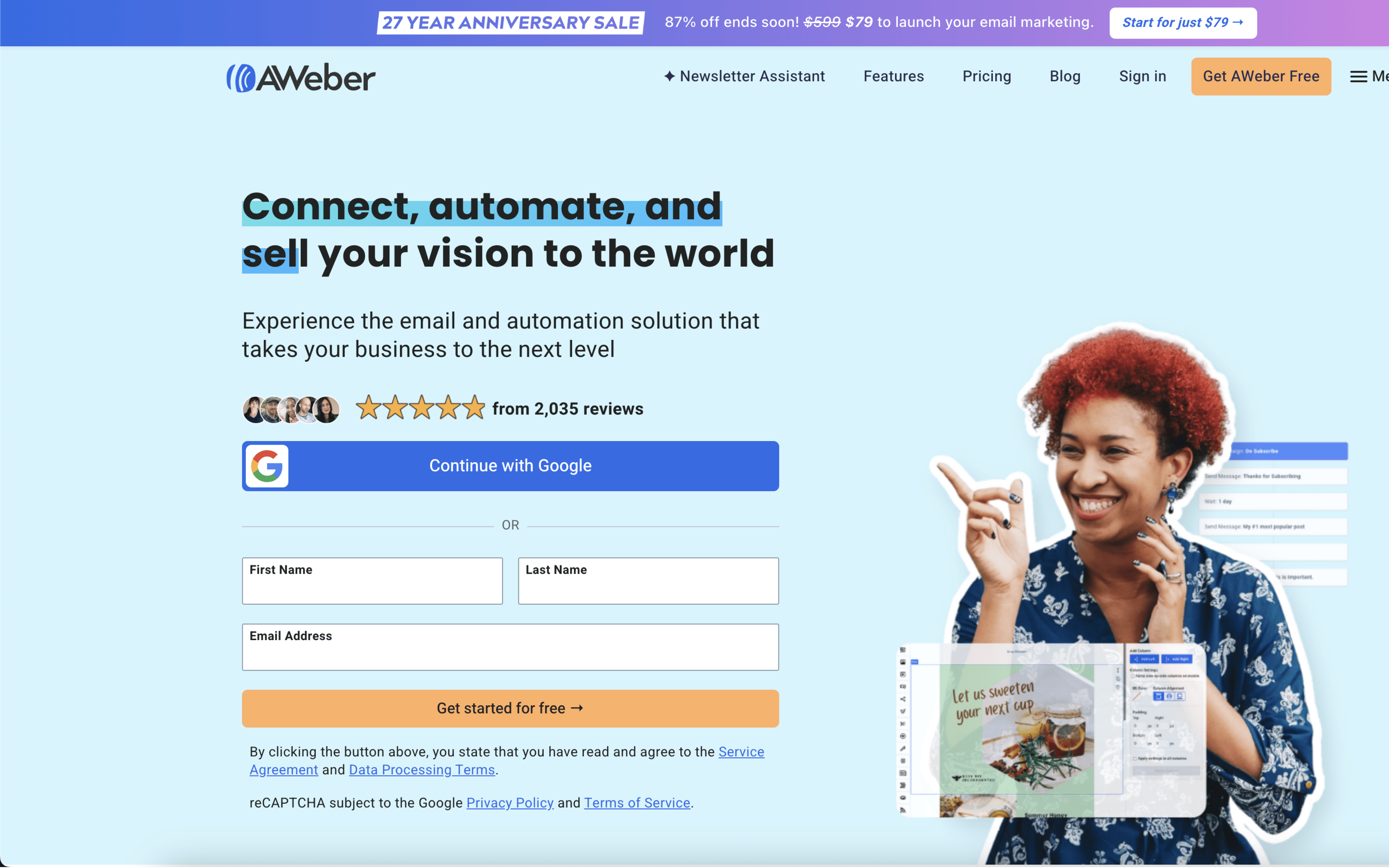
Aweber screenshot

AWeber is typically used by small organizations and solo operators who run email newsletters and follow-up sequences to stay in touch with leads and customers. It is often adopted when a team wants a consistent routine for list growth, broadcasts, and basic automations.

Teams usually start by capturing subscribers through sign-up forms or connected tools, then organizing contacts into lists, segments, and tags. Day to day, they draft and send scheduled broadcasts, monitor opens and clicks, and adjust targeting while keeping evergreen follow-up sequences running for new subscribers.

Good Fit For

  • Teams sending weekly or monthly newsletters and occasional promotions, with a need to keep audiences organized by list, tags, or basic behavioral signals
  • Creators or educators running opt-in lead magnets and onboarding sequences where new subscribers should receive a timed set of emails after joining
  • Small ecommerce or service businesses syncing leads from website forms or third-party apps and triggering straightforward follow-ups based on sign-ups or link clicks

Considerations

  • Automation logic can be limiting for teams that need deeply branched journeys, complex lifecycle rules, or extensive cross-channel coordination
  • Some teams may need extra process and QA time for template editing, sender identity setup, and campaign governance as volume and stakeholder count grows

#4 GetResponse

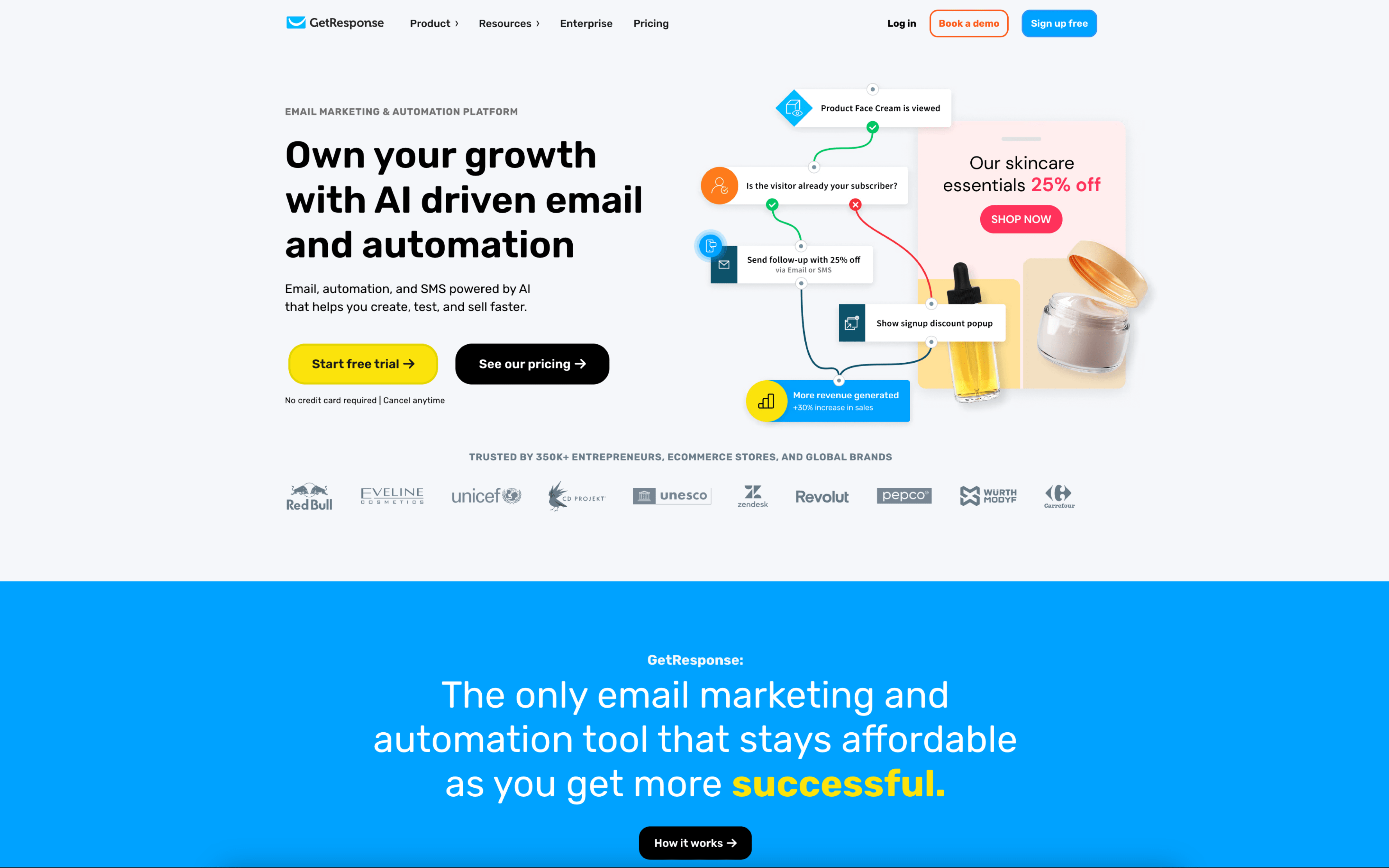
GetResponse screenshot

GetResponse is used by marketing teams and agencies that run recurring email campaigns and automated journeys tied to lead capture and conversion. It commonly shows up where the same team builds messages, pages, and follow-up sequences in one operational flow.

Teams typically collect leads through forms and landing pages, then move contacts into segmented lists with tags and scoring based on behavior. Day to day, they draft emails, route them for approval when needed, schedule sends, and monitor engagement to adjust automations and re-engagement workflows.

Good Fit For

  • Teams running weekly newsletters alongside always-on nurture sequences triggered by sign-ups, clicks, and page activity
  • Marketers coordinating lead-gen campaigns where landing pages, registration capture, and follow-up emails are built and iterated together
  • Agencies managing client work where collaborators need separate logins, role-based access, and a send-approval step before broadcasts go out

Considerations

  • Workflows that rely on detailed governance can require ongoing setup of roles, permissions, and approval routing to avoid accidental sends
  • Teams mixing one-off campaigns with multi-step journeys need consistent tagging and segmentation discipline, or reporting and targeting can become harder to maintain

#5 MailerLite

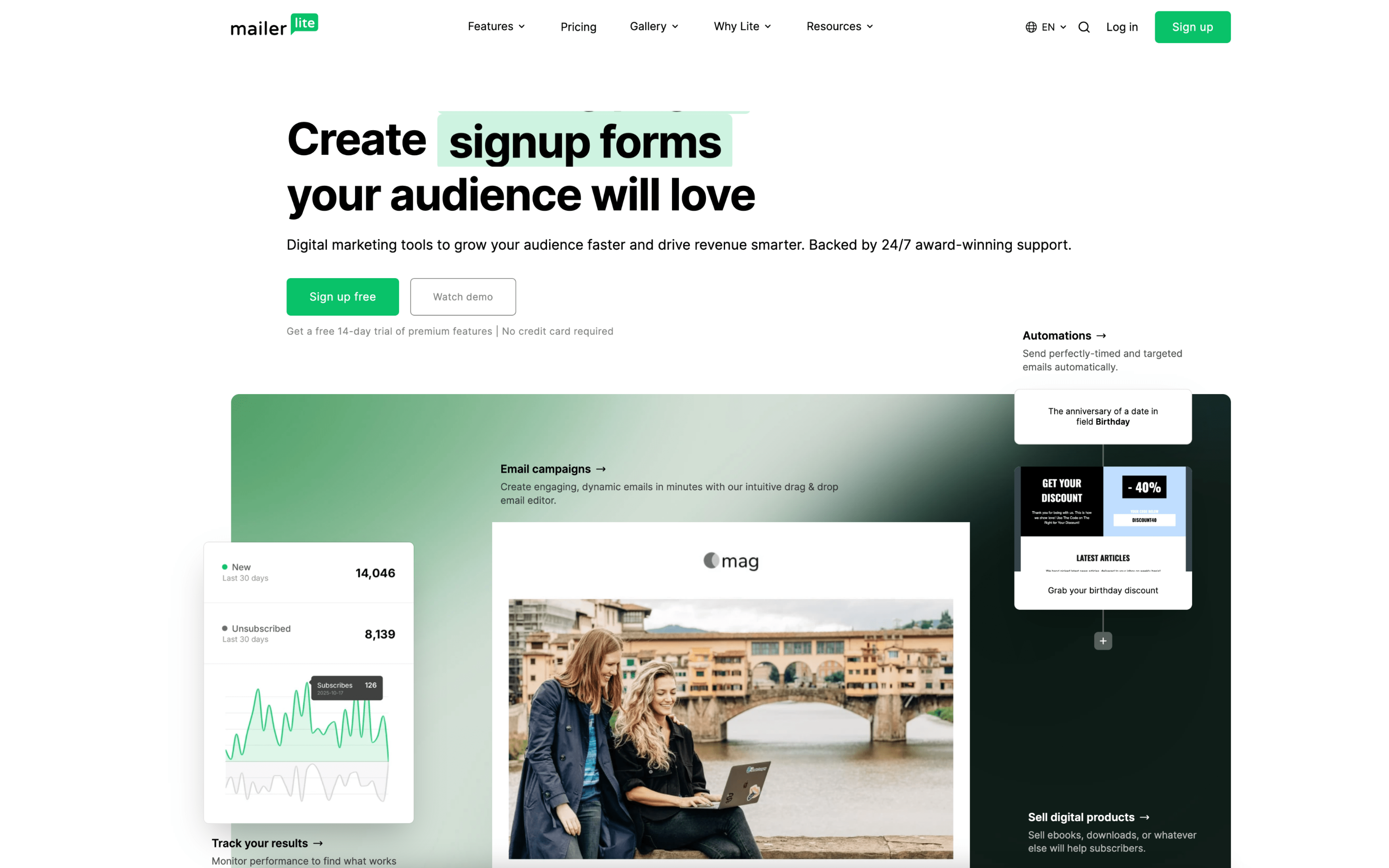
MailerLite screenshot

MailerLite is typically used by small marketing teams, creators, and agencies running email-first audience communication. It often sits with the person responsible for newsletters, lead capture, and lifecycle emails rather than a dedicated marketing-ops function.

Teams collect subscribers through forms and landing pages, organize them into groups or segments, and then run a mix of one-off campaigns and automated sequences. Day to day work cycles between drafting emails, scheduling sends, reviewing engagement, and adjusting automations based on subscriber actions.

Good Fit For

  • Teams sending weekly or monthly newsletters and occasional announcements, with simple audience grouping and basic segmentation
  • Businesses running onboarding, lead magnet delivery, or webinar follow-ups triggered by form submissions or list joins
  • Ecommerce teams setting up lifecycle flows like post-purchase messages or abandoned cart reminders tied to store events

Considerations

  • Workflow design tends to assume one primary operator, so larger teams may need extra process outside the tool to manage approvals and handoffs
  • As automation logic and data requirements grow, teams may need more structure around naming, grouping, and field management to keep targeting understandable

#6 Brevo

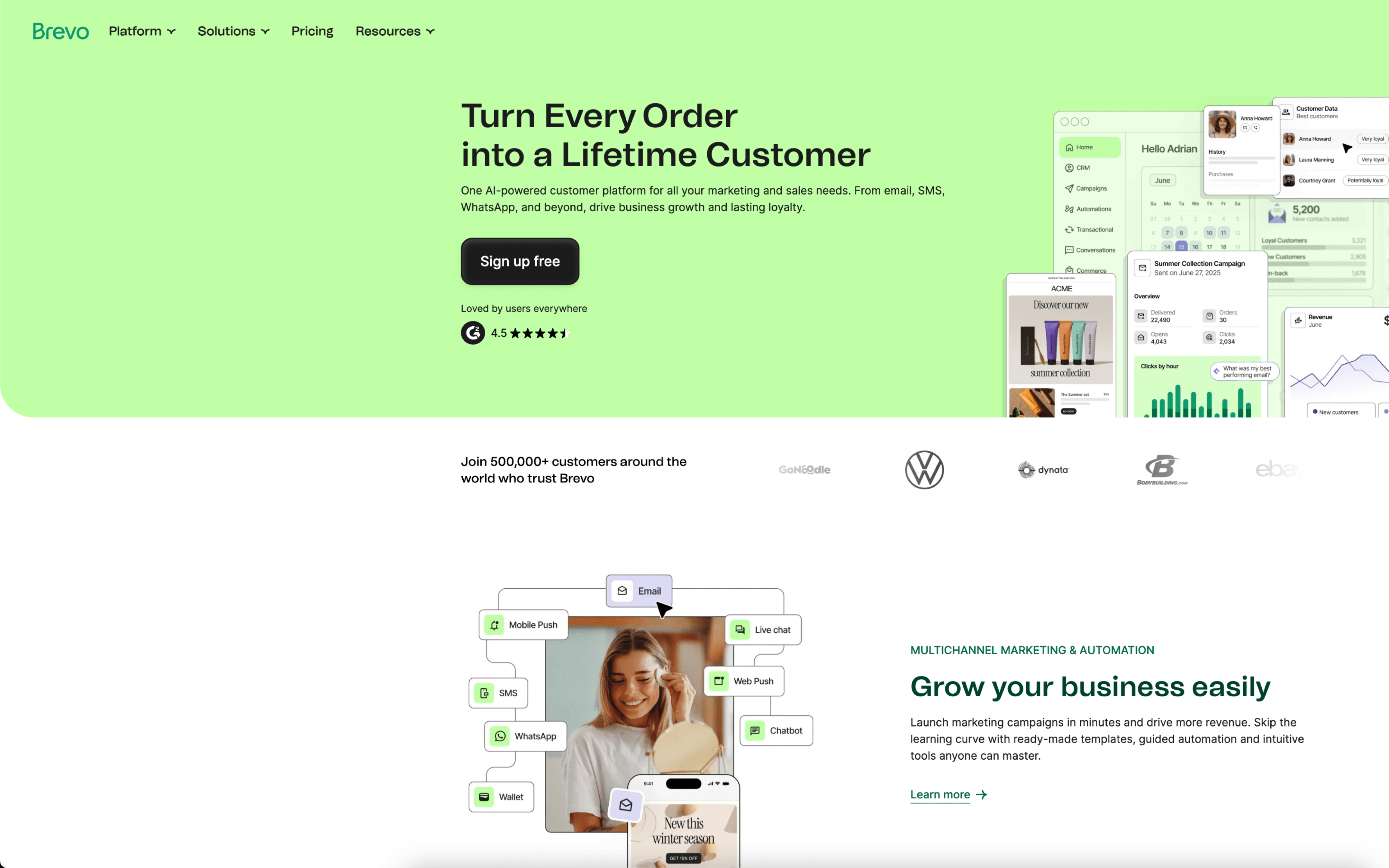
Brevo screenshot

Brevo is typically used by small to mid-sized teams that run email and SMS outreach alongside basic customer relationship management needs. It often shows up where one group owns both promotional campaigns and operational messaging like transactional updates.

Teams usually import and maintain contact data, segment audiences, and build recurring campaigns from templates on a weekly or monthly cadence. They set up automated flows triggered by customer actions, monitor delivery and engagement metrics, and adjust lists, content, and timing between sends.

Good Fit For

  • Teams running a mix of scheduled newsletters and behavior-triggered messages such as welcome, abandoned cart, or re-engagement sequences
  • Organizations that need marketing and transactional communications coordinated from the same contact record and reporting view
  • Groups that rely on ongoing list hygiene and segmentation updates as new leads and customers enter from website forms or integrations

Considerations

  • Some teams report friction when scaling contact management and segmentation, especially as lists and attributes grow more complex
  • Operational risk can increase if sending limits, deliverability issues, or account reviews interrupt time-sensitive campaigns and support response is not immediate

#7 VerticalResponse

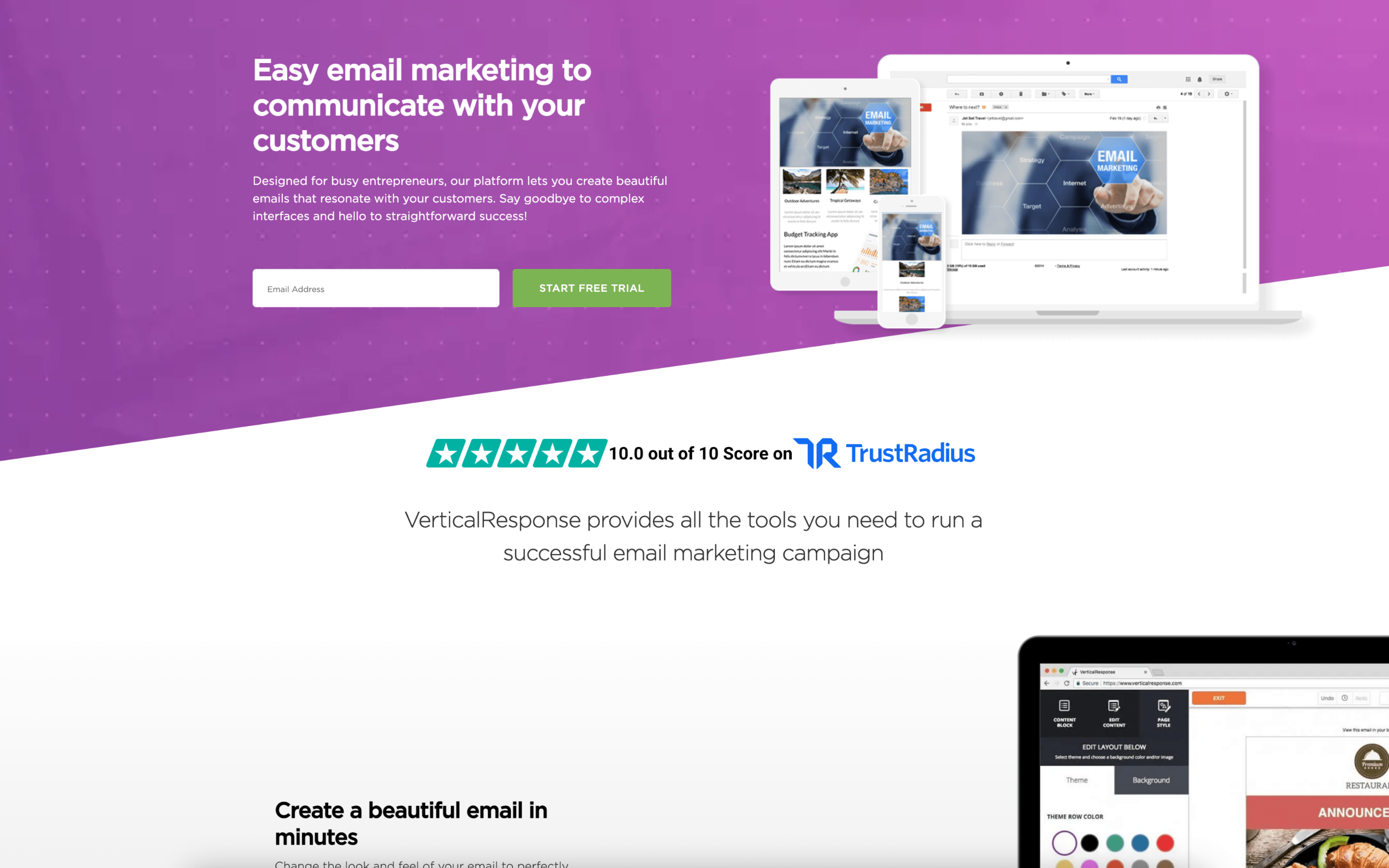
VerticalResponse screenshot

VerticalResponse is used by small marketing teams and owner-operators who run email campaigns and light multi-channel outreach without dedicating a full-time operations role. It typically supports promotional sends, announcements, and basic lifecycle follow-ups.

Teams build emails in an editor, organize contacts into lists, and schedule one-off campaigns around weekly or monthly rhythms. They often set up autoresponders or short email series for onboarding, re-engagement, and event follow-ups, then review reporting to adjust messaging and targeting.

Good Fit For

  • Teams sending recurring newsletters and promotional blasts on a weekly or monthly calendar
  • Organizations that need simple automated sequences, such as welcome series, win-back emails, or post-event follow-ups
  • Campaigns that pair email sends with lightweight lead capture, such as landing pages, forms, or surveys

Considerations

  • Automation tends to be set up as straightforward series and triggers, which may not match more complex journey mapping needs
  • Teams may need extra coordination outside the tool for approvals, creative iterations, and cross-functional handoffs