All Features on Every Plan. No Lock-In.

AWeber Alternatives

Explore alternatives to AWeber based on how teams actually work.

Last updated: December 28, 2025

How to Read This List

Teams exploring options beyond AWeber typically face decisions around pricing structure, automation depth, or how the tool fits their specific workflow (creator-focused vs ecommerce vs general email).

The platforms below are ordered by use case similarity. Each section describes how teams actually work with the tool day to day — not just feature lists.

#1 Mailchimp

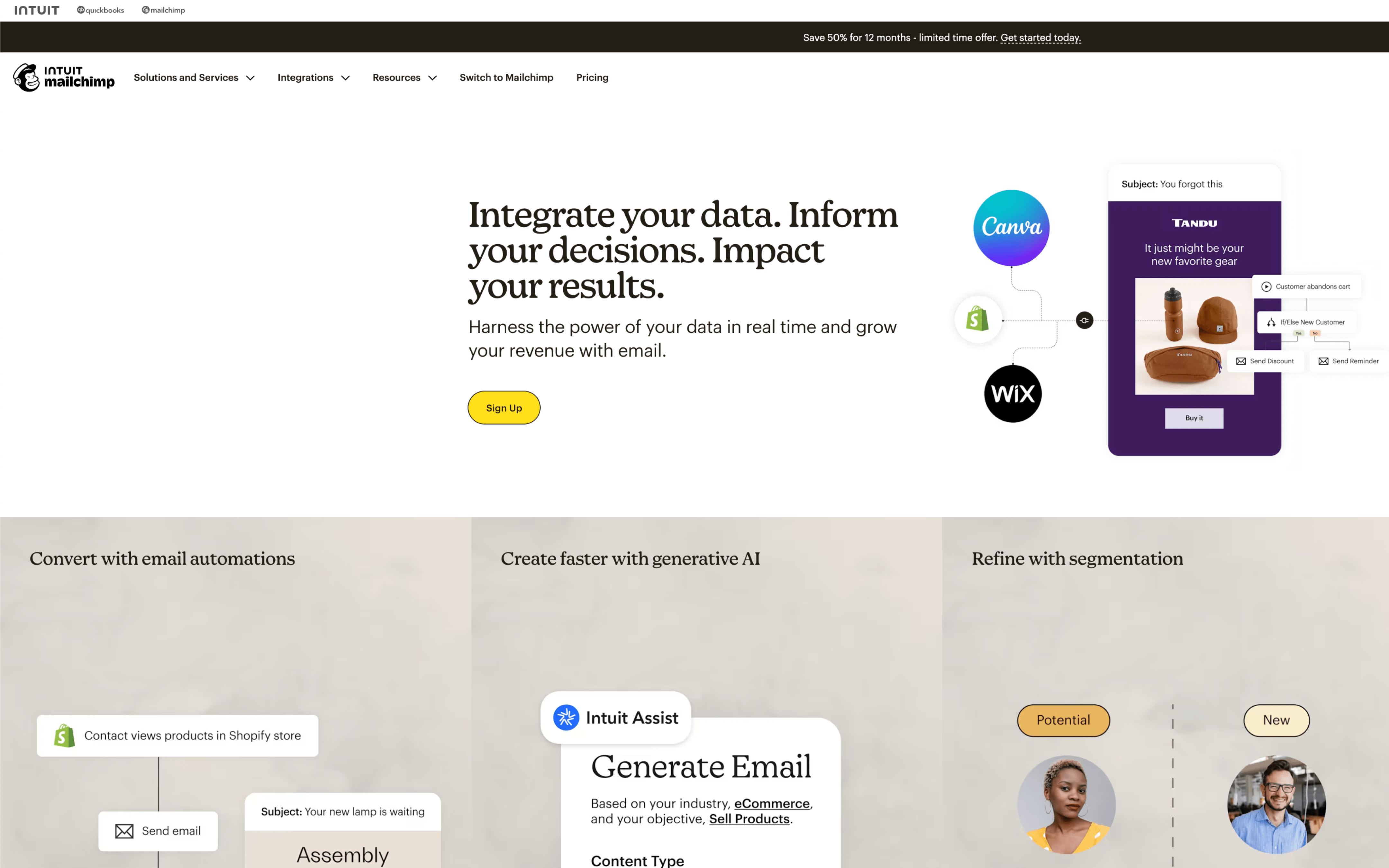
Mailchimp screenshot

Mailchimp is typically used by marketing teams and owner-operators who run recurring email campaigns and lifecycle messaging from a shared audience database. It often sits with the team responsible for subscriber growth, promotions, and retention communications.

Teams import and maintain audiences, then build segments to target specific groups for newsletters, promotions, and announcements. Work commonly follows a weekly or monthly cadence: draft content, schedule sends, coordinate launch dates on a calendar, and review performance reports to adjust upcoming messaging and automation triggers.

Good Fit For

  • Teams sending weekly newsletters and periodic promotional blasts that need consistent scheduling and post-send reporting
  • Ecommerce or DTC teams running welcome, browse, and abandoned cart-style journeys tied to customer and purchase activity
  • Marketing teams coordinating multiple touchpoints around launches or events and using a shared calendar to keep timing aligned

Considerations

  • Ongoing upkeep is needed to keep audiences, tags, and segments organized as lists grow and campaigns expand
  • As teams add more channels and automated paths, governance and QA typically become a recurring operational task to avoid overlapping messages
#2 Constant Contact

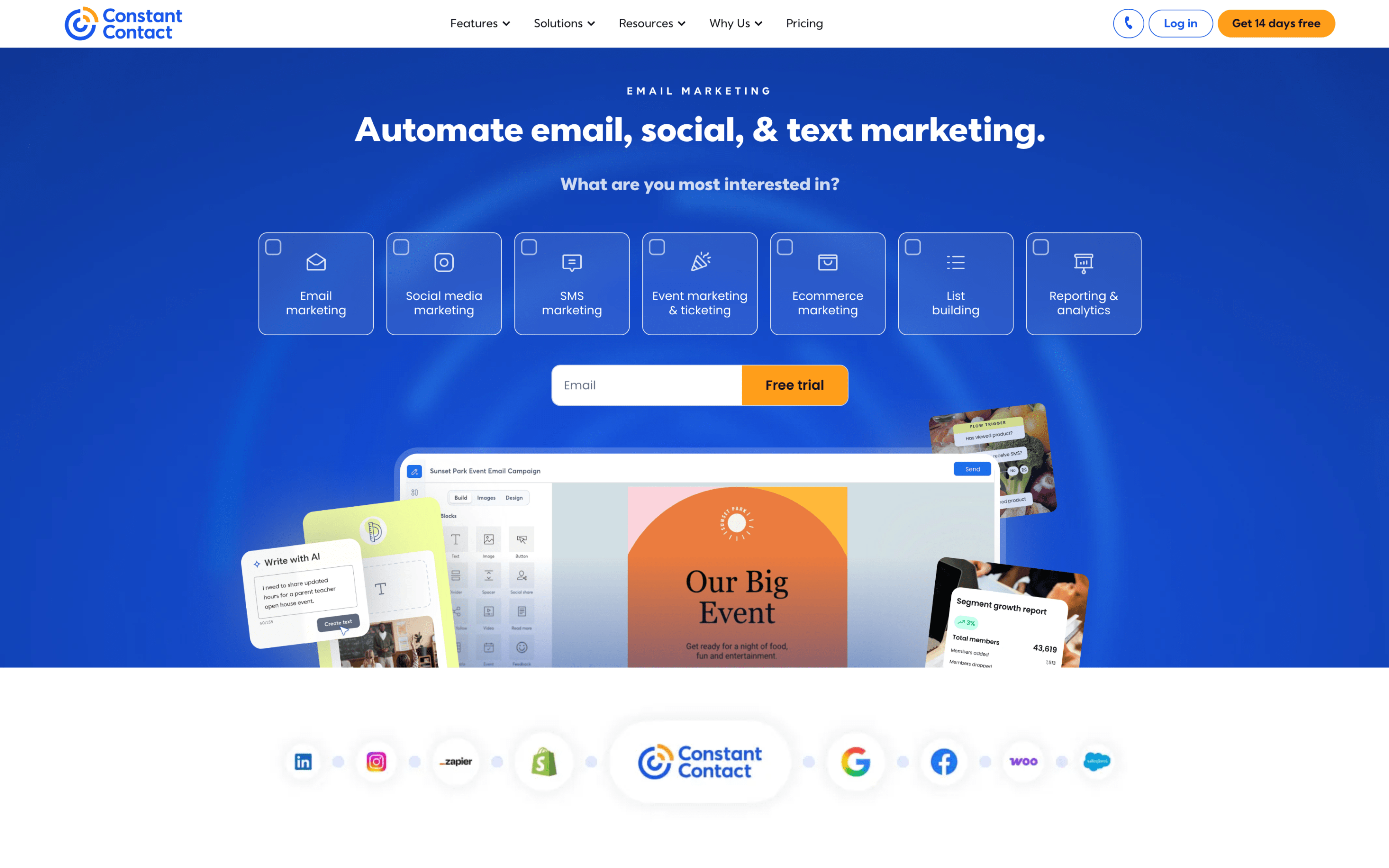
Constant Contact screenshot

Constant Contact is typically used by small organizations that run recurring email outreach, such as nonprofits, local businesses, and member-based groups. It tends to be owned by a marketer or operations lead who manages contacts and sends on a steady cadence.

Teams import or sync contacts, organize them into lists or segments, and build newsletters or announcements in a drag-and-drop editor. Work often follows a weekly or monthly rhythm: draft, review, schedule, then check opens and clicks to adjust the next send and maintain list hygiene.

Good Fit For

  • Teams sending weekly or monthly newsletters to members, donors, or customers with a consistent review-and-schedule routine
  • Organizations that need straightforward list growth via forms and ongoing subscriber management to avoid repeated manual cleanup
  • Small teams coordinating seasonal or event-driven campaigns where scheduling, basic segmentation, and performance checks happen in the same workspace

Considerations

  • More complex email formatting and layout changes can become time-consuming when adjusting blocks and images in the editor
  • Workflows that require highly customized automation paths or intricate audience logic may run into practical limits and require external processes

#3 GetResponse

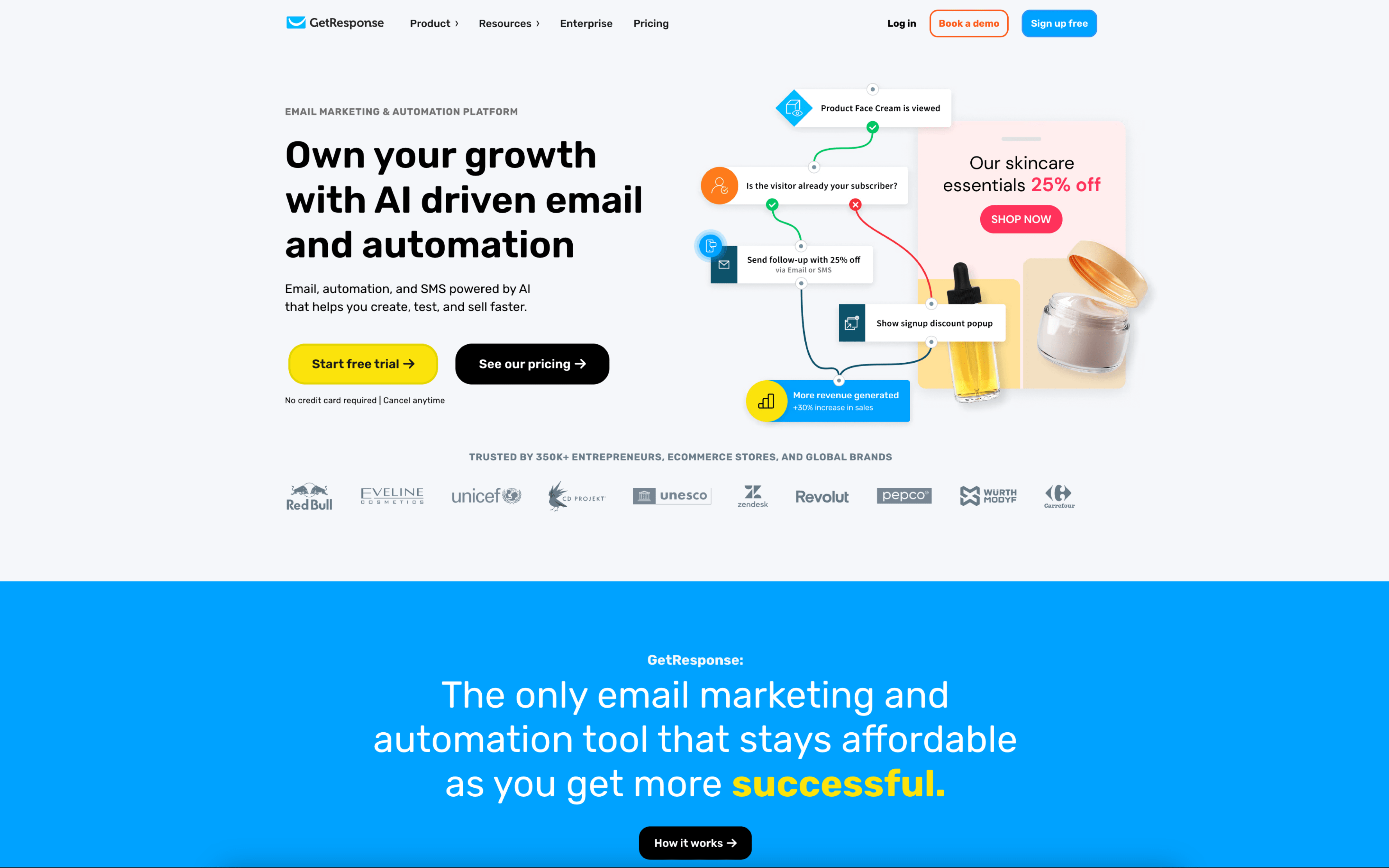
GetResponse screenshot

GetResponse is typically used by marketing teams that run recurring email campaigns and automated nurture sequences tied to lead generation or ecommerce activity. It is often operated by in-house marketers or agencies coordinating assets, approvals, and audience segments in one workspace.

Teams import and segment contacts, then build a cadence of newsletters, promos, and lifecycle messages triggered by behaviors like sign-ups, clicks, site activity, or purchases. Work often runs in cycles: build landing pages or webinar registrations, route leads into automated journeys, and review reports to adjust targeting and follow-ups.

Good Fit For

  • Teams running weekly or monthly campaign calendars that mix broadcasts with behavior-based follow-up sequences
  • Lead generation workflows where landing pages, forms, and webinar registrations feed directly into ongoing nurture and scoring
  • Organizations that need multi-user collaboration with role-based access and an approval step before sending key broadcasts

Considerations

  • Coordinating automation, segmentation, and multiple campaign types can require ongoing upkeep to prevent overlapping messages and list logic drift
  • Teams with strict brand governance may need additional internal process around templates, permissions, and approvals to avoid inconsistent assets across collaborators

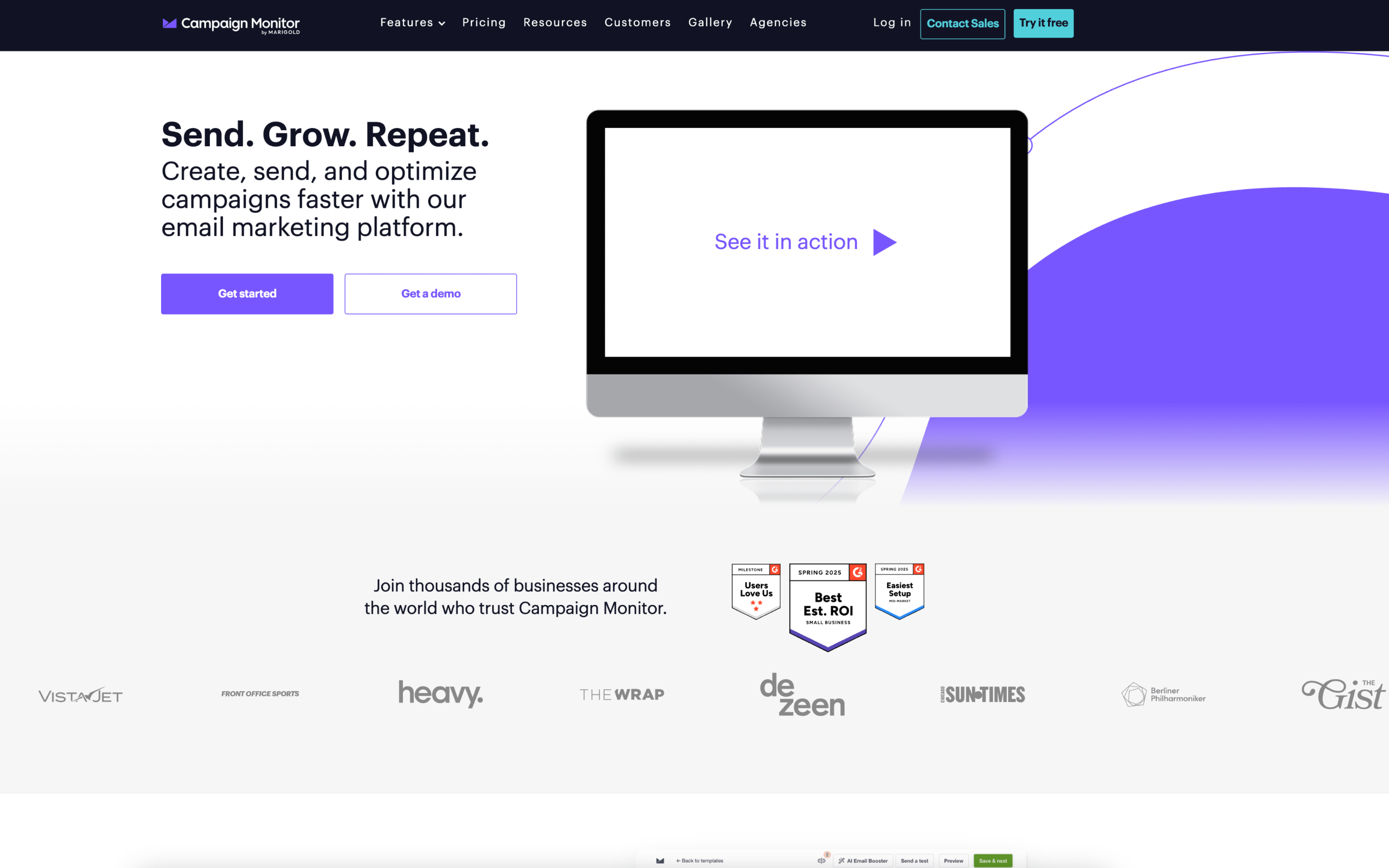
#4 Campaign Monitor

Campaign Monitor screenshot

Campaign Monitor is used by marketing and communications teams that run scheduled email campaigns and maintain subscriber lists over time. It is often adopted when brand consistency and repeatable campaign execution matter across multiple senders or client accounts.

Teams typically build emails from shared templates, segment subscribers using stored fields and engagement data, and schedule sends to align with campaign calendars. Day to day work centers on drafting, internal review, sending at planned times, and checking reports to adjust future messaging and segments.

Good Fit For

  • Marketing teams producing weekly or monthly newsletters with reusable templates and recurring approval steps
  • Organizations running lifecycle emails triggered by signups, content updates, or engagement milestones alongside one-off campaign sends
  • Agencies or multi-brand groups coordinating separate client or brand workspaces with role-based access and activity oversight

Considerations

  • Campaign workflows can rely on keeping subscriber data clean and consistently structured, which may require ongoing list hygiene and field governance
  • Teams with complex, cross-channel orchestration needs may find they still need additional systems to coordinate work outside email and reporting

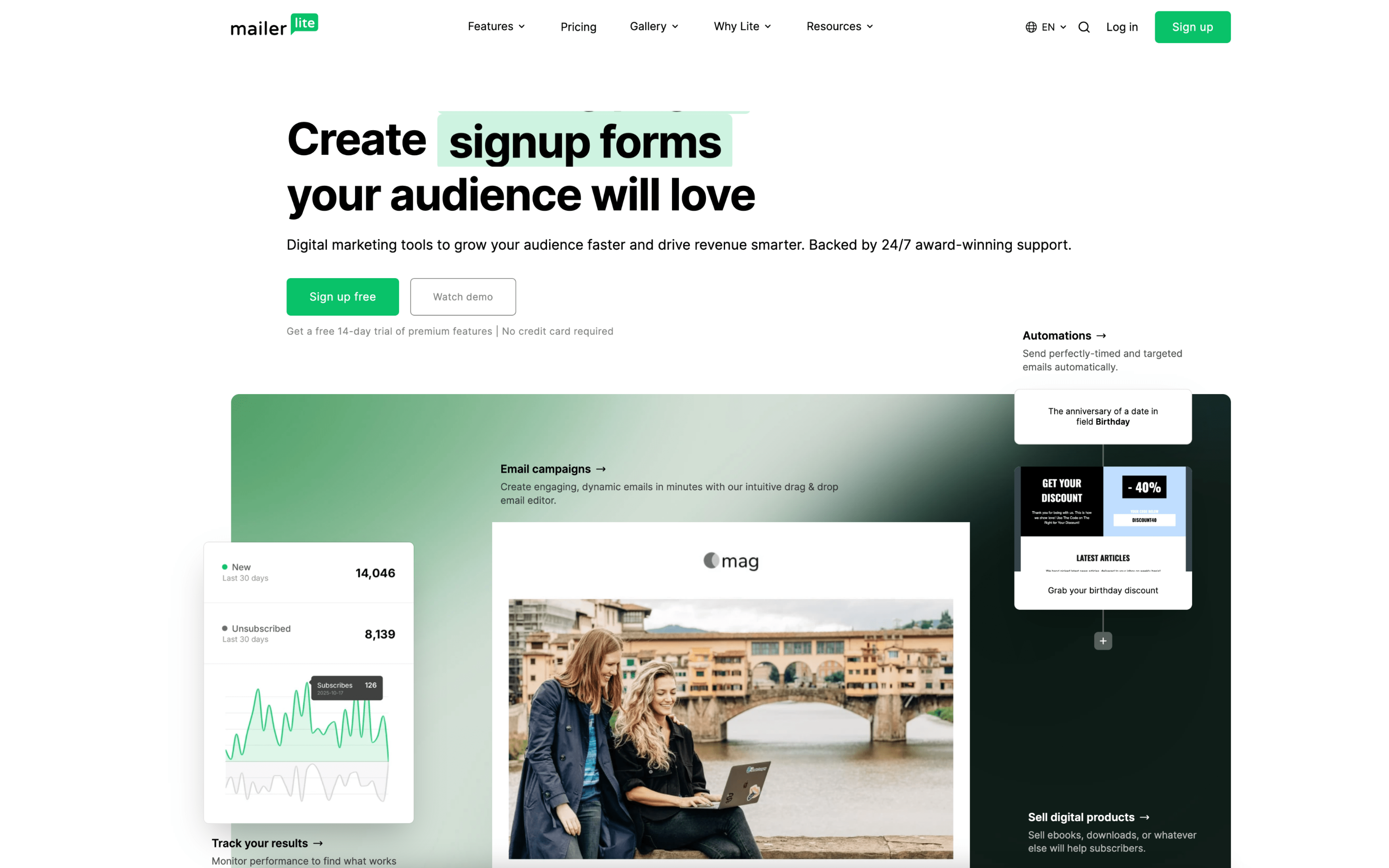
#5 MailerLite

MailerLite screenshot

MailerLite is commonly used by small teams and solo operators running email newsletters and simple lifecycle messaging. It tends to show up where the same people create content, collect leads, and manage audience targeting without a dedicated ops function.

Teams typically run a cycle of building signup forms or landing pages, grouping subscribers as they join, and sending scheduled campaigns to segments. Ongoing work often centers on maintaining groups and custom fields, then using behavior triggers to move people through welcome, nurturing, or post-purchase sequences.

Good Fit For

  • Teams publishing weekly or monthly newsletters and wanting a repeatable draft-review-send cadence
  • Marketers distributing lead magnets and using form submissions or group joins to start onboarding sequences
  • Ecommerce operators sending basic flows like abandoned cart, post-purchase follow-ups, and category-based messaging

Considerations

  • As automations and audience rules expand, ongoing upkeep can shift toward managing groups, fields, and trigger logic rather than campaign writing
  • Teams with complex approval, governance, or cross-department coordination may need supplemental processes outside the tool to manage reviews and change control

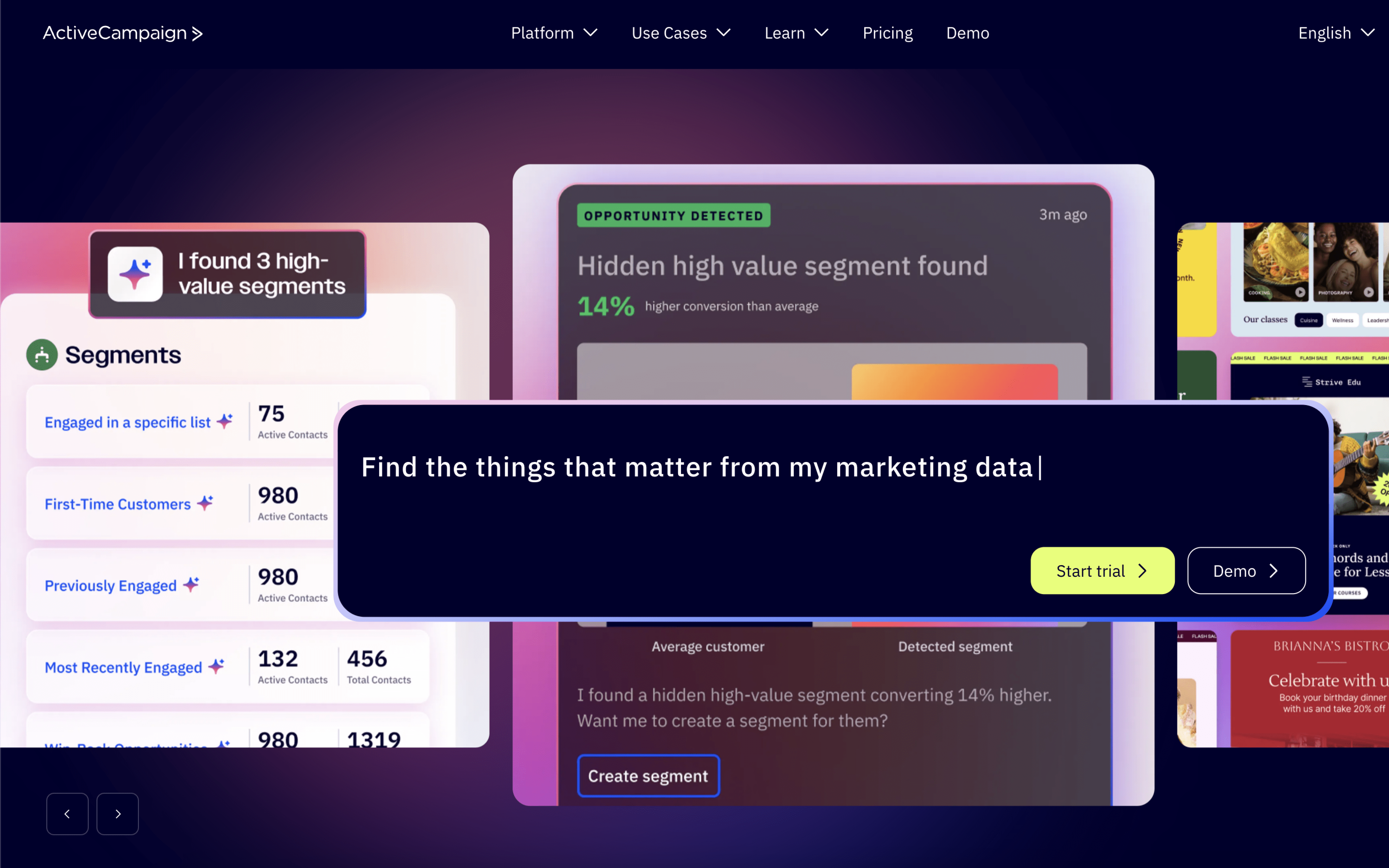
#6 ActiveCampaign

ActiveCampaign screenshot

ActiveCampaign is typically used by marketing and revenue teams that want to run lifecycle messaging and follow-up in one place, linking email campaigns with contact activity and sales handoffs. It is common in organizations where marketing and sales share a contact database.

Teams import contacts, define segments from attributes and behaviors, and build automations that react to events like form fills, link clicks, site visits, or purchases. Day to day, marketers review performance, adjust paths, and coordinate with sales using shared contact timelines, tasks, and deal stages.

Good Fit For

  • Teams running always-on nurture sequences that adapt based on engagement and website or product activity
  • Organizations that need marketing-triggered handoffs into a sales pipeline, with follow-up tasks and stage-based tracking
  • Businesses managing multiple recurring campaigns where segmentation rules and automation logic are reused and iterated monthly

Considerations

  • Operational discipline is needed to keep automations, tags, and segments understandable as the system grows
  • Cross-team use can require agreed definitions for lifecycle stages and ownership to avoid conflicting updates to contacts and deals

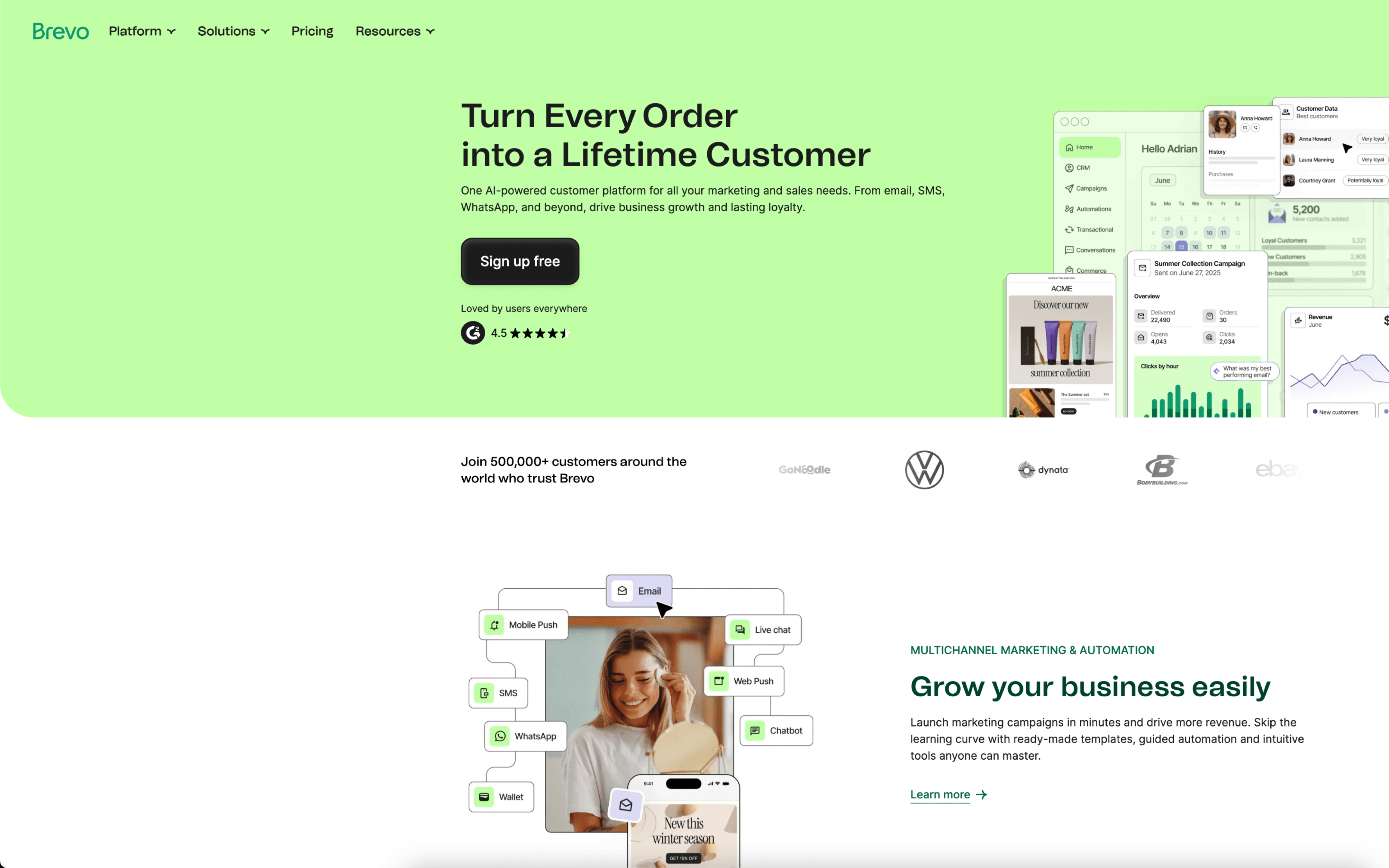
#7 Brevo

Brevo screenshot

Brevo is typically used by marketing and operations teams that manage email as a recurring channel and also need SMS or transactional messages tied to customer activity. It often sits between lightweight newsletter tools and a broader customer engagement stack.

Teams organize contacts into lists and segments, then build recurring newsletters and scheduled campaigns alongside always-on automations like abandoned cart or post-purchase follow-ups. Day to day, they monitor performance dashboards, adjust segments, and coordinate handoffs between marketing messages, transactional sends, and basic sales follow-up.

Good Fit For

  • Teams running weekly or monthly email campaigns with occasional SMS reminders tied to promotions or events
  • Ecommerce operators maintaining lifecycle flows such as cart recovery, replenishment, and win-back based on browsing or purchase behavior
  • Organizations that want marketing and transactional email managed in the same operational workflow with shared contact data

Considerations

  • Teams may need to spend time maintaining contact attributes and segmentation rules to keep targeting accurate as the database grows
  • Some workflows can be disrupted by interface changes, performance lag, or sending constraints that require operational monitoring