All Features on Every Plan. No Lock-In.

ActiveTrail Alternatives

Explore alternatives to ActiveTrail based on how teams actually work.

Last updated: December 31, 2025

How to Read This List

Teams exploring options beyond ActiveTrail typically face decisions around pricing structure, automation depth, or how the tool fits their specific workflow (creator-focused vs ecommerce vs general email).

The platforms below are ordered by use case similarity. Each section describes how teams actually work with the tool day to day — not just feature lists.

#1 Brevo

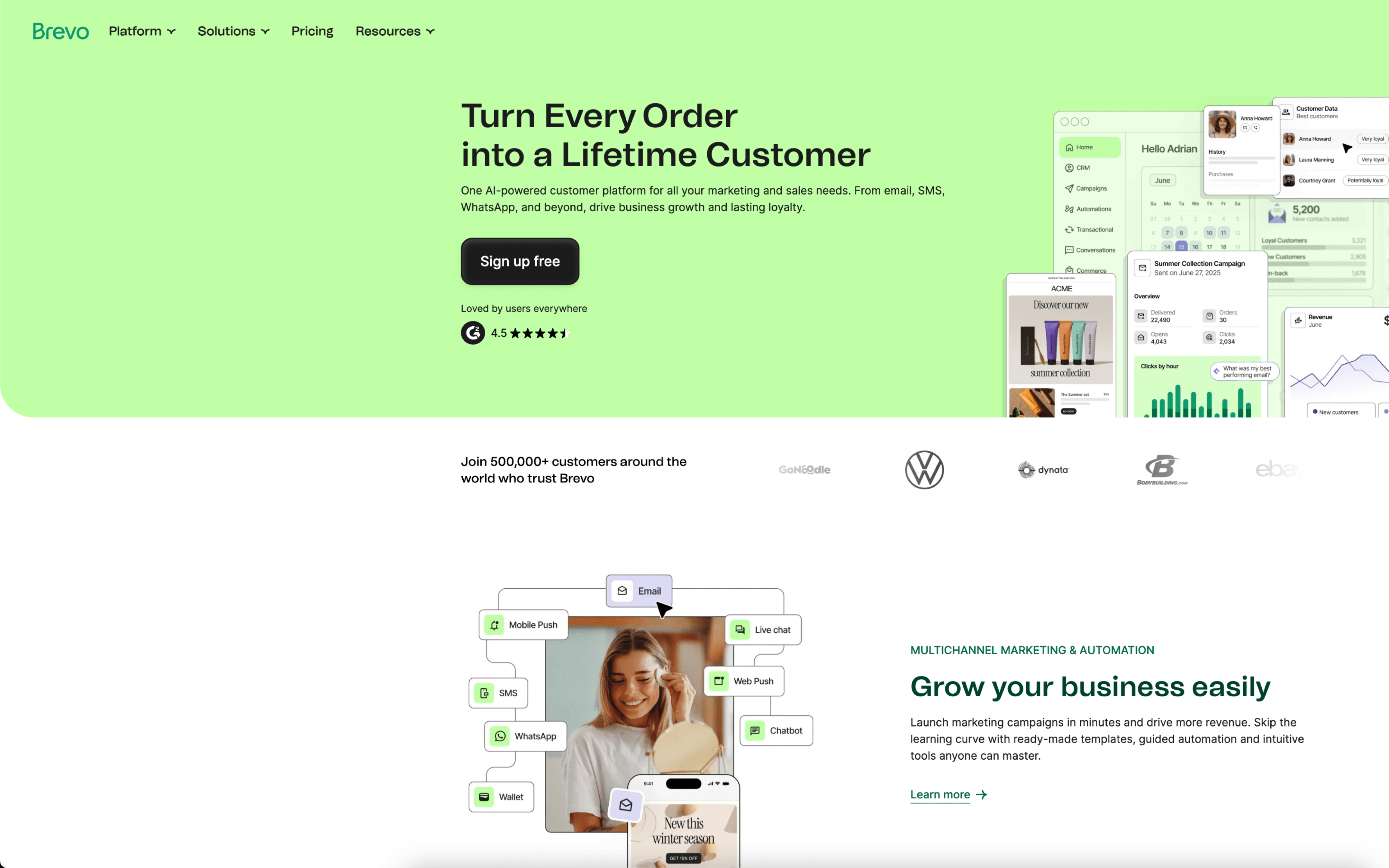
Brevo screenshot

Brevo is used by teams that need to run customer messaging across email and SMS while keeping contact data and basic relationship context in one place. It commonly shows up in marketing-led setups that also handle transactional messages and light CRM tasks.

Teams typically import and maintain contacts, build segments, and publish recurring campaigns on a weekly or monthly cadence. Day to day, they monitor opens and clicks, adjust templates, and run automated flows triggered by events like sign-ups, purchases, or abandoned carts, alongside operational sends such as receipts or account notifications.

Good Fit For

  • Teams sending regular newsletters and promotions that need consistent list hygiene, segmentation, and campaign scheduling
  • Ecommerce or subscription businesses running always-on lifecycle messaging like abandoned cart, post-purchase follow-ups, and win-back sequences
  • Organizations that want marketing and transactional email to be coordinated from the same contact records and reporting views

Considerations

  • Some teams report workflow disruption from account reviews or sending limits, which can be difficult during time-sensitive launches
  • As lists and segmentation logic grow, contact management and interface changes can slow down day-to-day campaign iteration for some users
#2 GetResponse

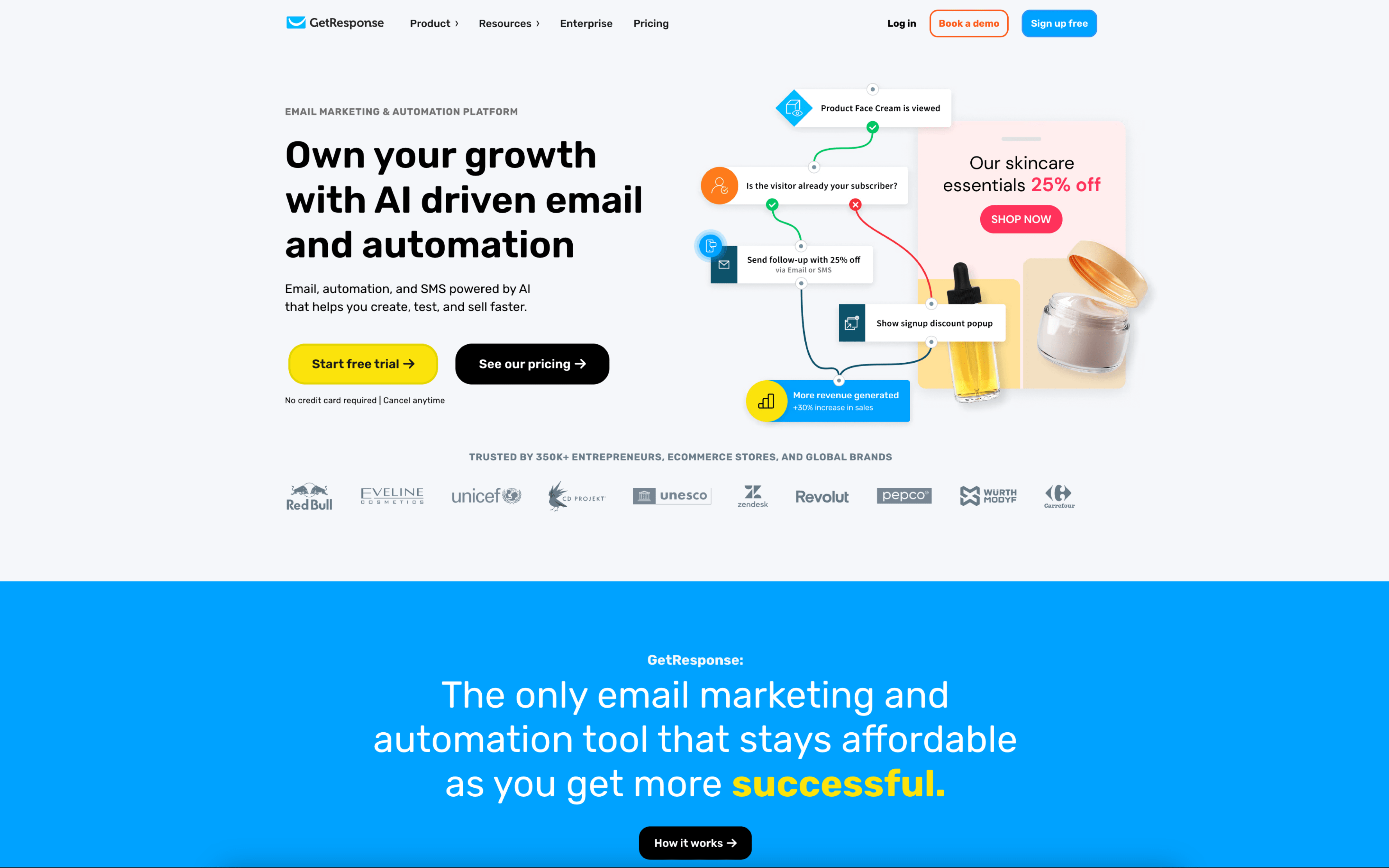
GetResponse screenshot

GetResponse is used by marketing teams and agencies running email-led campaigns and automated lead nurturing. It commonly shows up in workflows where emails, landing pages, and audience segmentation are managed together for recurring promotions and funnel-based programs.

Teams typically import or sync contacts, organize them with tags and custom fields, then build segments based on behavior and attributes. Day to day, they draft newsletters and promotional sends, map automation workflows with triggers and conditions, and review engagement reports to adjust targeting, timing, and follow-ups.

Good Fit For

  • Teams running weekly newsletters plus recurring promotional sends that need segmentation driven by engagement and on-site actions
  • Lead generation programs that pair landing pages and signup forms with automated nurture sequences and scoring/tagging
  • Agencies coordinating multiple client campaigns where access levels and approval steps are part of the publishing cadence

Considerations

  • Cross-channel and funnel-style setups can require upfront planning to keep automation logic, segments, and assets consistent over time
  • Teams with strict governance may need to define roles and approval flows carefully to avoid unintended sends or changes across shared assets

#3 Omnisend

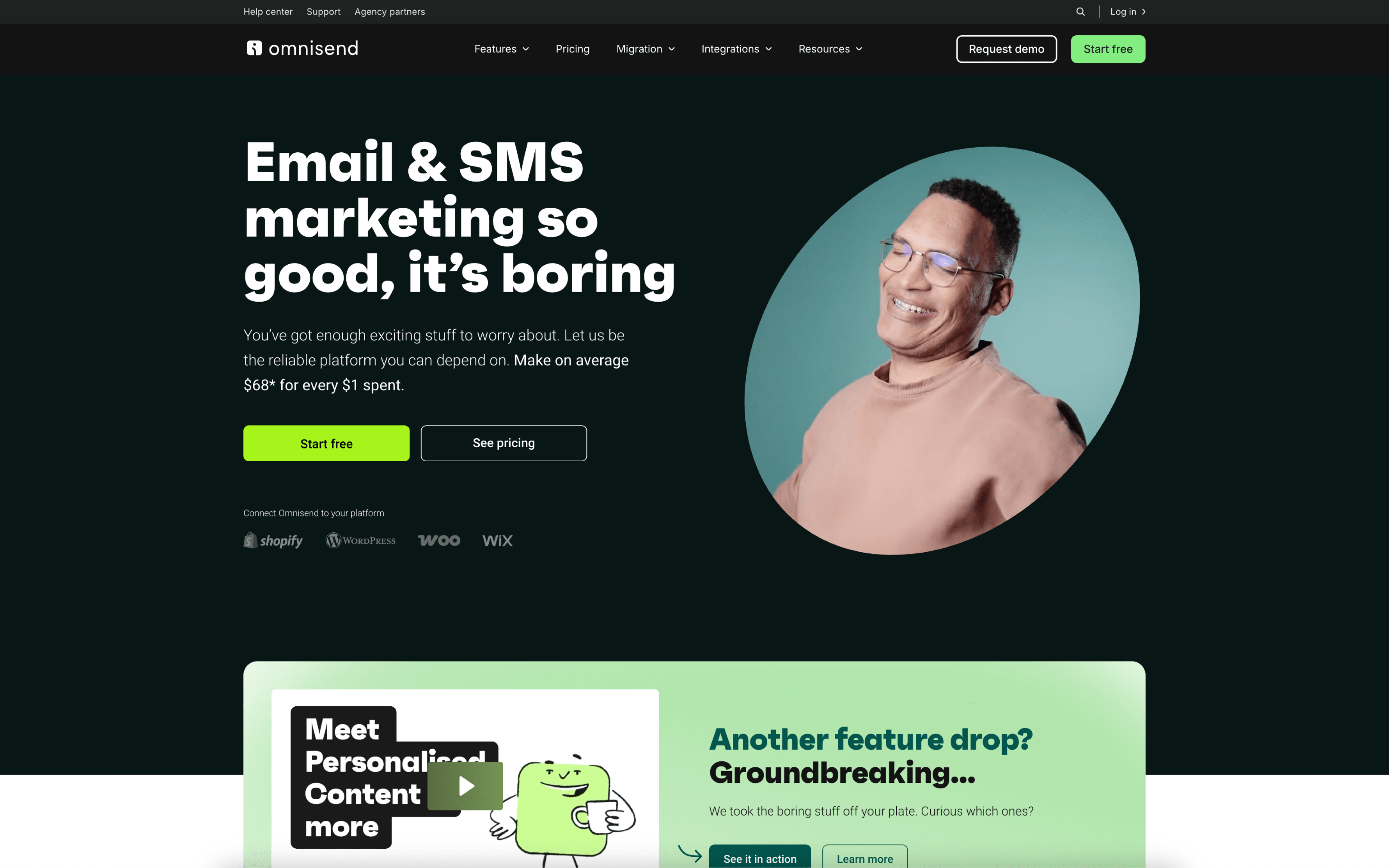
Omnisend screenshot

Omnisend is commonly used by ecommerce marketing teams and agencies that run lifecycle messaging tied to store activity. It is often adopted when email needs to be coordinated with SMS and web push around shopping behavior.

Teams connect their ecommerce platform to sync contacts, orders, and browsing events, then set up ongoing automations like welcome, cart and browse abandonment, post-purchase, and win-back. Day to day, marketers build promotional sends, segment audiences by behavior and engagement, and review automation and campaign reporting to adjust timing and targeting.

Good Fit For

  • Brands running cart recovery and post-purchase messaging triggered by real-time store events
  • Teams coordinating weekly promotions while keeping always-on lifecycle flows running in the background
  • Marketers who want signup forms and popups to feed directly into segmented follow-up sequences

Considerations

  • Workflows depend on accurate ecommerce event data, so tracking gaps or integration issues can affect targeting and automation logic
  • Multi-channel coordination adds operational overhead, including managing frequency, compliance constraints, and message timing across channels

#4 ActiveCampaign

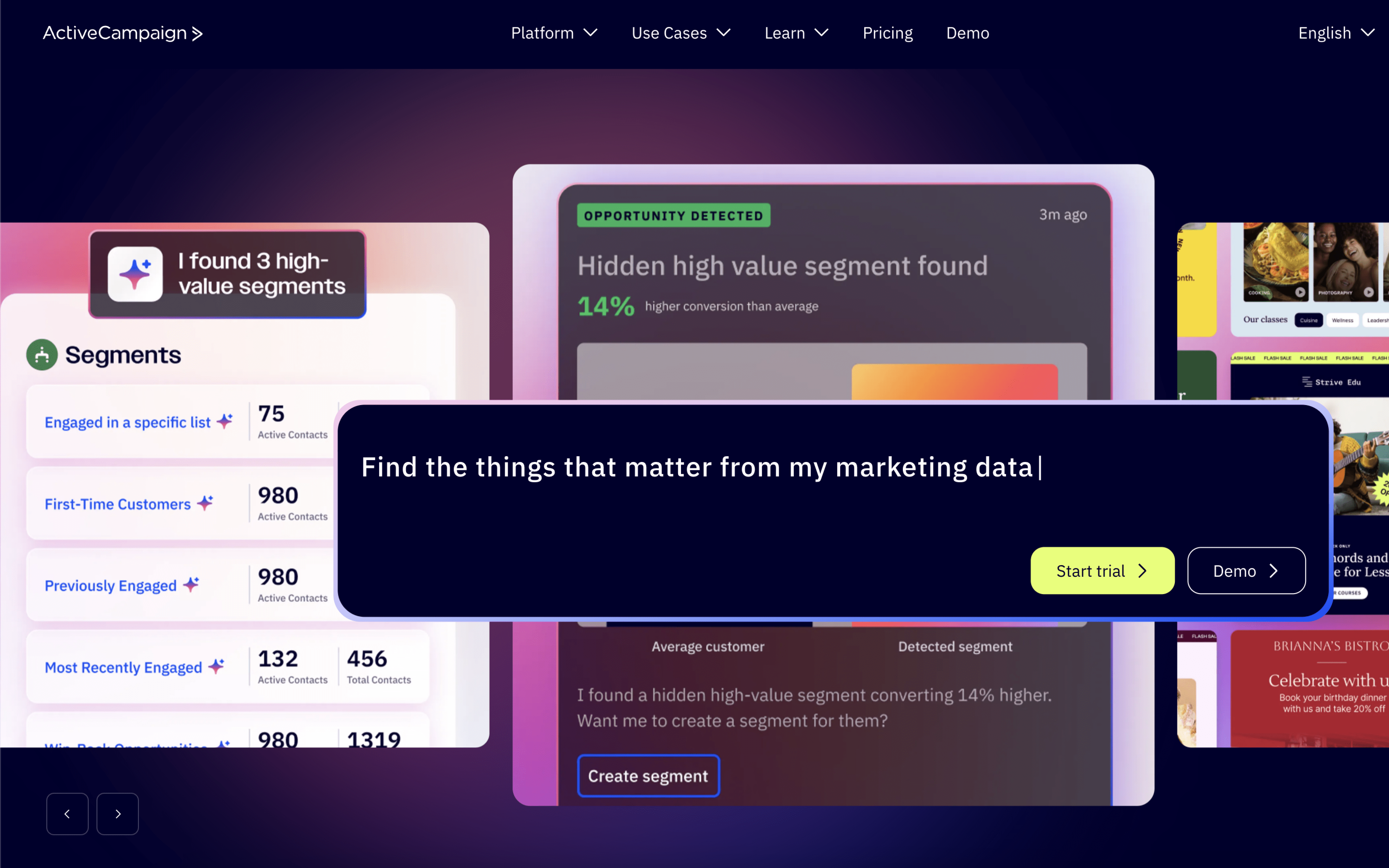
ActiveCampaign screenshot

ActiveCampaign is used by marketing and sales teams that run ongoing lifecycle messaging and lead follow-up from a shared contact database. It typically fits organizations that want campaign execution and relationship management to happen in one operational workspace.

Teams organize contacts with lists, tags, and behavioral data, then build automations that trigger messages and internal actions when people subscribe, click, buy, or visit key pages. Work cycles between launching broadcasts, monitoring engagement, and iterating journeys, with CRM pipelines used to route and track sales follow-up.

Good Fit For

  • Teams running always-on nurture sequences alongside weekly or monthly newsletter sends
  • Organizations that need marketing-triggered handoffs to sales, with deals moving through defined pipeline stages
  • Ecommerce or subscription teams coordinating onboarding, re-engagement, and cart or checkout follow-ups based on site and event activity

Considerations

  • Automation-heavy setups can require ongoing maintenance as segments, triggers, and business rules change
  • Sharing a single system across marketing and sales can create process dependencies, where changes to fields, stages, or tagging affect multiple workflows

#5 Mailchimp

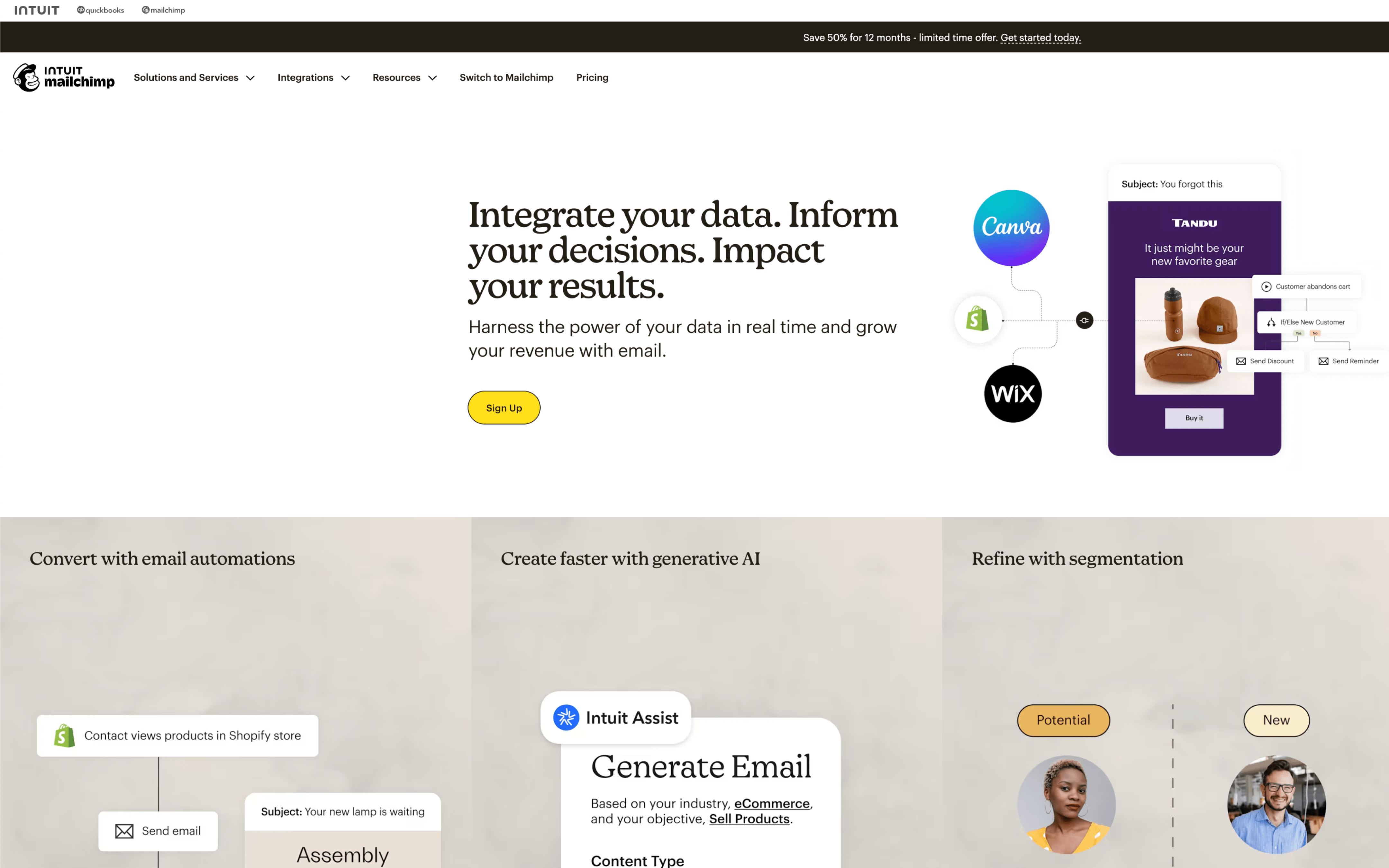
Mailchimp screenshot

Mailchimp is typically used by marketing teams that run email-led campaigns and want a single place to manage audiences, build messages, schedule sends, and review results. It often supports small-to-midsize organizations with recurring newsletter and promotion cycles.

Teams maintain an audience database, segment contacts, and build emails using templates and stored brand assets. Work tends to follow a weekly or monthly cadence: draft, review, schedule, then monitor performance reports. Many teams also set up triggered automations such as welcome series or abandoned cart reminders tied to subscriber behavior.

Good Fit For

  • Teams sending recurring newsletters and one-off announcements on a weekly or monthly calendar
  • Ecommerce teams running lifecycle messages like welcome, post-purchase, and abandoned checkout sequences alongside promotional sends
  • Marketing teams coordinating campaign timelines, approvals, and reporting in one workspace while syncing contact data from other systems

Considerations

  • Keeping audience data clean can require ongoing process work around tags, segments, and data sync rules
  • As automations and campaigns expand across channels, governance and consistency often depend on internal conventions rather than enforced workflows

#6 MailerLite

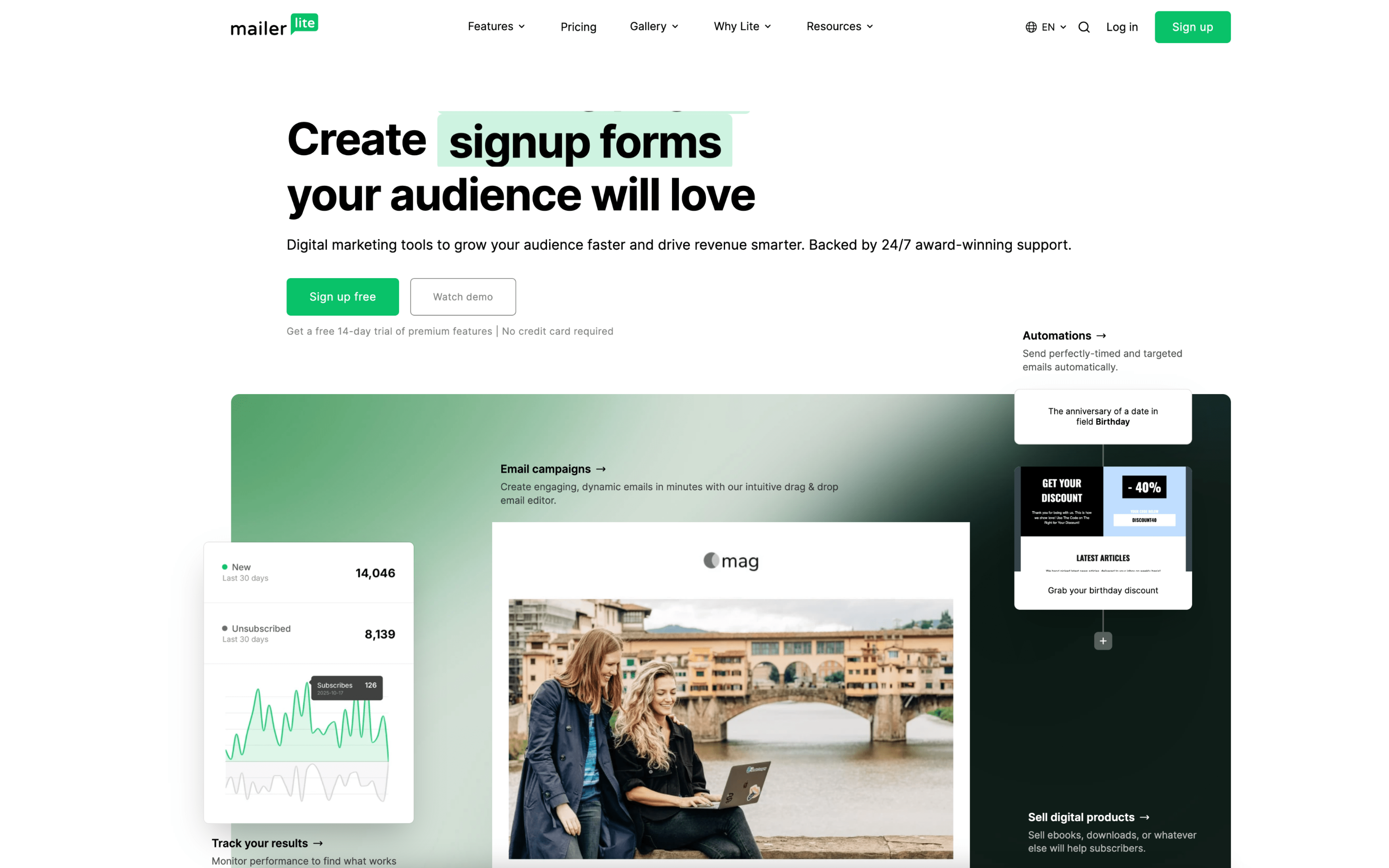
MailerLite screenshot

MailerLite is commonly used by small marketing teams, creators, and agencies that run regular email newsletters and lifecycle messaging from one workspace. It is often adopted when a team wants to handle list growth, campaign sends, and basic automation with minimal operational overhead.

Teams typically import or collect subscribers through forms and landing pages, organize audiences into groups, and send newsletters on a weekly or monthly cadence. Ongoing work centers on building campaign drafts, scheduling sends, and using automations triggered by signups, form submissions, link clicks, or purchases to route people into follow-up sequences.

Good Fit For

  • Teams publishing a recurring newsletter and managing signup sources through embedded forms, pop-ups, or landing pages
  • Marketing operators setting up welcome series, lead magnet delivery, webinar/event follow-ups, or simple nurture flows triggered by group membership and form activity
  • Ecommerce teams running a small set of triggered journeys such as abandoned cart reminders and post-purchase review requests tied to store activity

Considerations

  • As automation journeys and audience rules grow more complex, teams may need tighter governance to keep groups, triggers, and branching logic understandable over time
  • When multiple stakeholders collaborate (including clients), coordinating feedback and approvals may rely on external processes rather than being fully managed inside the campaign workflow

#7 SendPulse

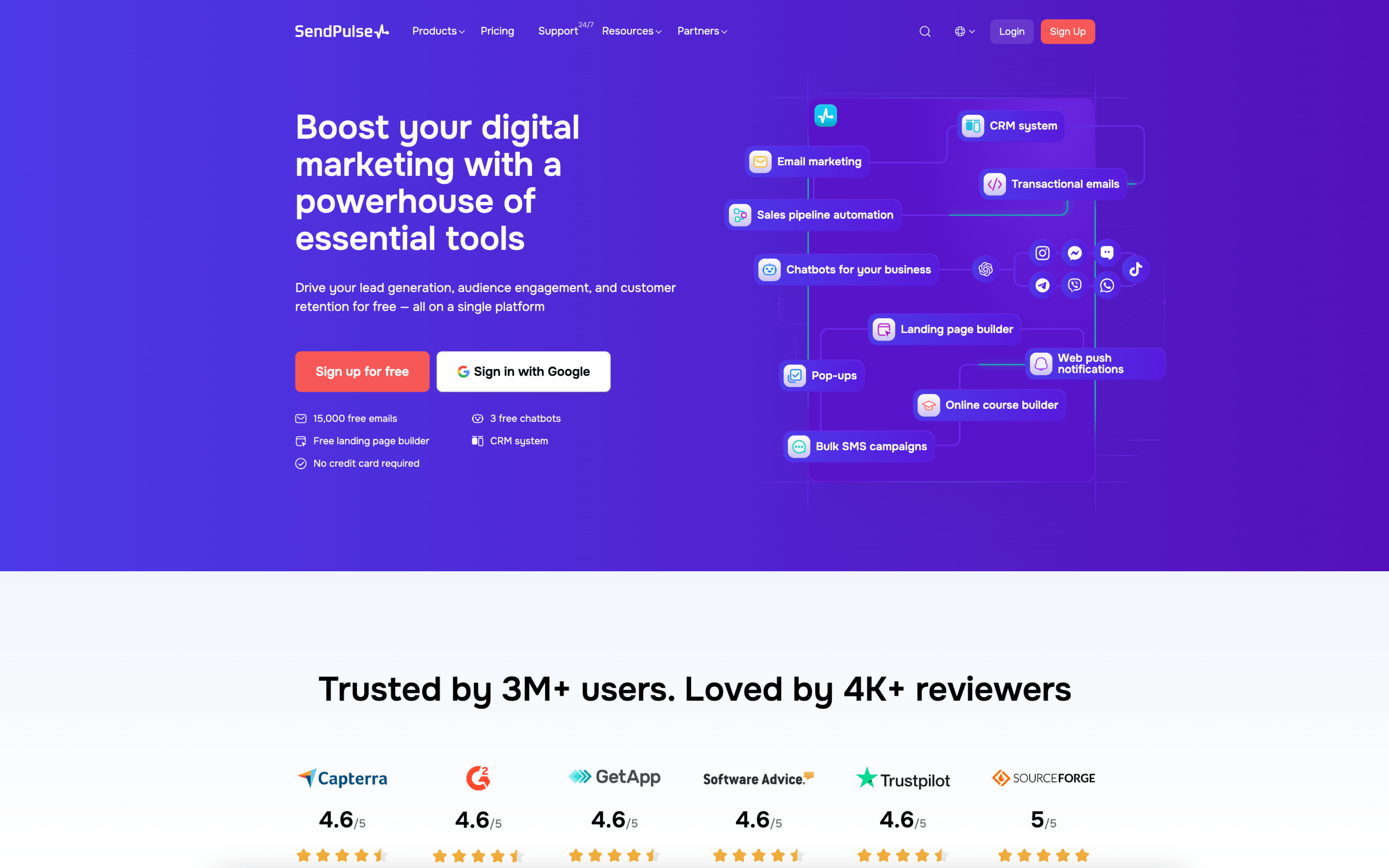
SendPulse screenshot

SendPulse is typically used by marketing and customer-communication teams that need to run email campaigns alongside automated messaging across channels like SMS, web push, and chatbots. It often shows up where one tool is expected to cover both promotional sends and triggered follow-ups.

Teams import and segment contacts, then alternate between scheduled campaign sends and always-on automations. Day to day, marketers draft messages, set triggers based on customer actions, monitor deliverability and response metrics, and adjust sequences as new offers, events, or lifecycle moments arise.

Good Fit For

  • Teams running weekly or monthly promotional email campaigns and maintaining a small set of repeatable automations like welcome and re-engagement
  • Organizations coordinating cross-channel reminders and updates, such as pairing email with SMS or web push for time-sensitive messages
  • Marketing and support teams using chatbots to handle common questions, capture leads, or route conversations while syncing outcomes back to contact records

Considerations

  • Running multiple channels in one workspace can increase coordination overhead, especially when different teams own email, SMS, and chatbot content
  • Automation quality depends on how consistently customer events and contact data are captured, which can require ongoing integration and data hygiene work